The lush, rugged island of Eysturoy in Denmark’s Faroe Islands archipelago might be the most dramatic hidden gem you’ve never heard of. Pronounced “EYE-stuh-roy,” this Nordic treasure sits in the wild North Atlantic, where sheer cliffs plunge into churning seas and tiny villages of grass-roofed houses cling to impossibly green hillsides. As the second-largest island in the Faroe chain, Eysturoy offers adventure seekers landscapes that seem plucked from fantasy novels—without the Instagram crowds found in Ireland’s popular coastal spots.
The gravity-defying Atlantic Bridge
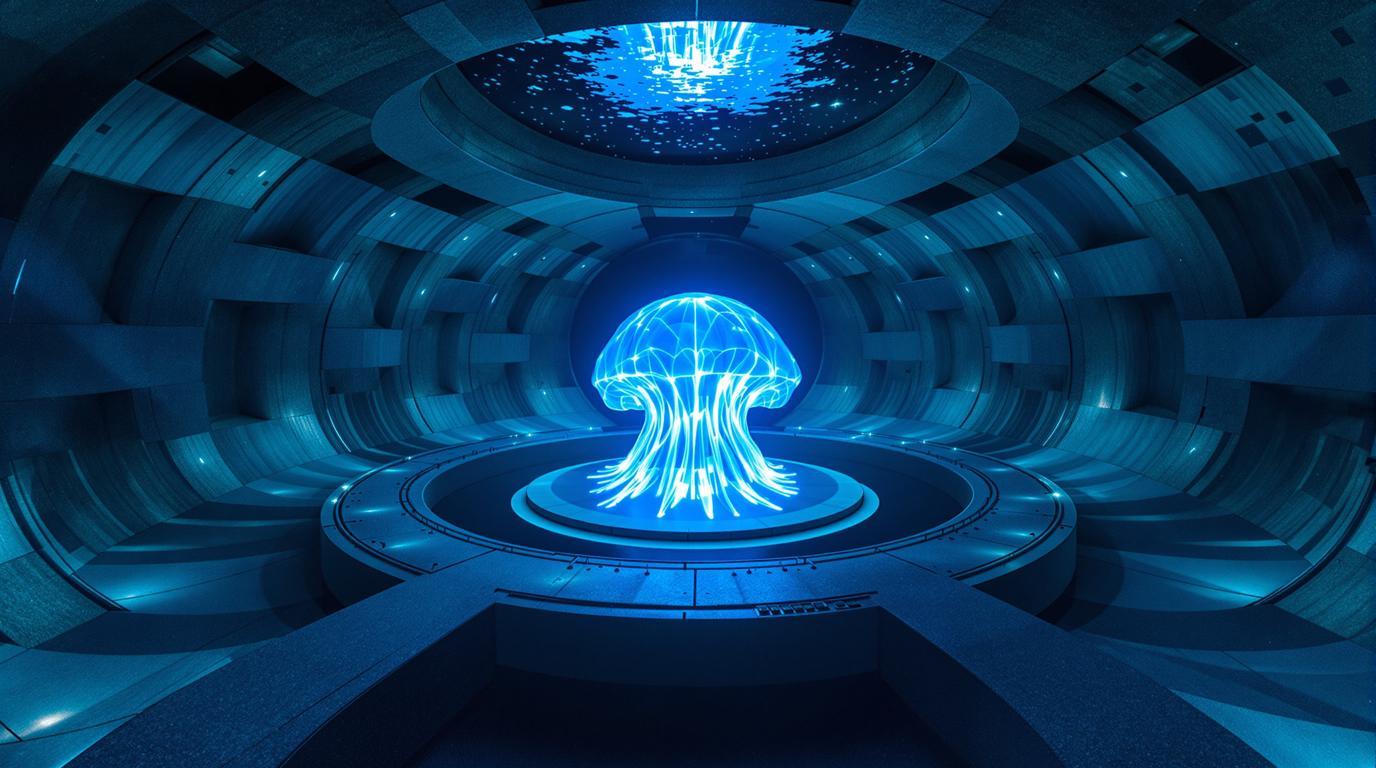
Eysturoy’s newest landmark is nothing short of an engineering marvel. The Atlantic Ocean Tunnel and its accompanying circular roundabout suspended beneath the waves connects the island to the capital region. This underwater traffic circle—the world’s first—features a dramatic sculpture of a figure dancing in the waves and lights that transform the space into an ethereal underwater realm.
Gjógv: The village at the edge of the world
The tiny settlement of Gjógv (population: 50) might be Eysturoy’s most photogenic spot. Named after its natural 650-foot sea gorge that serves as a natural harbor, this village features a rainbow of colorful houses against a backdrop of towering mountains.
“Our gorge has sheltered fishing boats for centuries,” says local guide Marjun Danielsen. “When the Atlantic storms come, this is where our fishermen have always found safety.”
The giant and his wife: Natural sculptures in stone
Off Eysturoy’s northern coast, two massive basalt sea stacks rise dramatically from the ocean. Local legend tells that these formations—Risin og Kellingin (The Giant and the Witch)—were attempting to drag the Faroe Islands back to Iceland when they were caught by the sunrise and turned to stone. The view rivals anything you’ll find on Croatia’s dramatic coastline.
Summit Slættaratindur for the midnight sun
Hiking to the top of Slættaratindur, the Faroe Islands’ highest peak at 2,890 feet, rewards trekkers with panoramic views across the entire archipelago. During summer solstice, locals make the climb at night to watch the sun set and rise again almost immediately—creating a mystical experience where darkness never fully arrives.
Traditional Faroese gastronomy
While not yet a rival to Tallinn’s emerging food scene, Eysturoy’s restaurants serve dishes you won’t find elsewhere. The star ingredient? Ræst, traditionally fermented lamb and fish that develops intense umami flavors through wind-drying in wooden sheds called hjallur.
“Our food comes from necessity and harsh conditions,” explains chef Teitur Christensen. “When you taste our fermented lamb, you’re tasting centuries of Faroese survival transformed into delicacy.”
Knitted wool: A living tradition
Eysturoy’s landscape is dotted with thousands of free-roaming sheep, providing wool for the islands’ signature knitted goods. In villages like Funningur, local women still create intricate patterns that have been passed down through generations. These authentic sweaters feature distinctive designs that identify which village they come from.
Pristine beaches without tropical crowds
While not offering the tropical heat of Caribbean destinations, Eysturoy features several stunning beaches with bright white sand that contrasts dramatically with the dark basalt cliffs and emerald hillsides. Unlike Europe’s better-known island escapes, you might be the only visitor on these pristine shores.
The Faroese weather might be unpredictable—locals joke they experience all four seasons in a single day—but that’s part of the charm. As mist rolls dramatically over mountain peaks and sudden rainbows appear, Eysturoy reveals itself as a place where nature still rules and modern life bends to ancient rhythms. This isn’t just another pretty European island; it’s one of the last truly wild places you can reach within a few hours’ flight from mainland Europe.