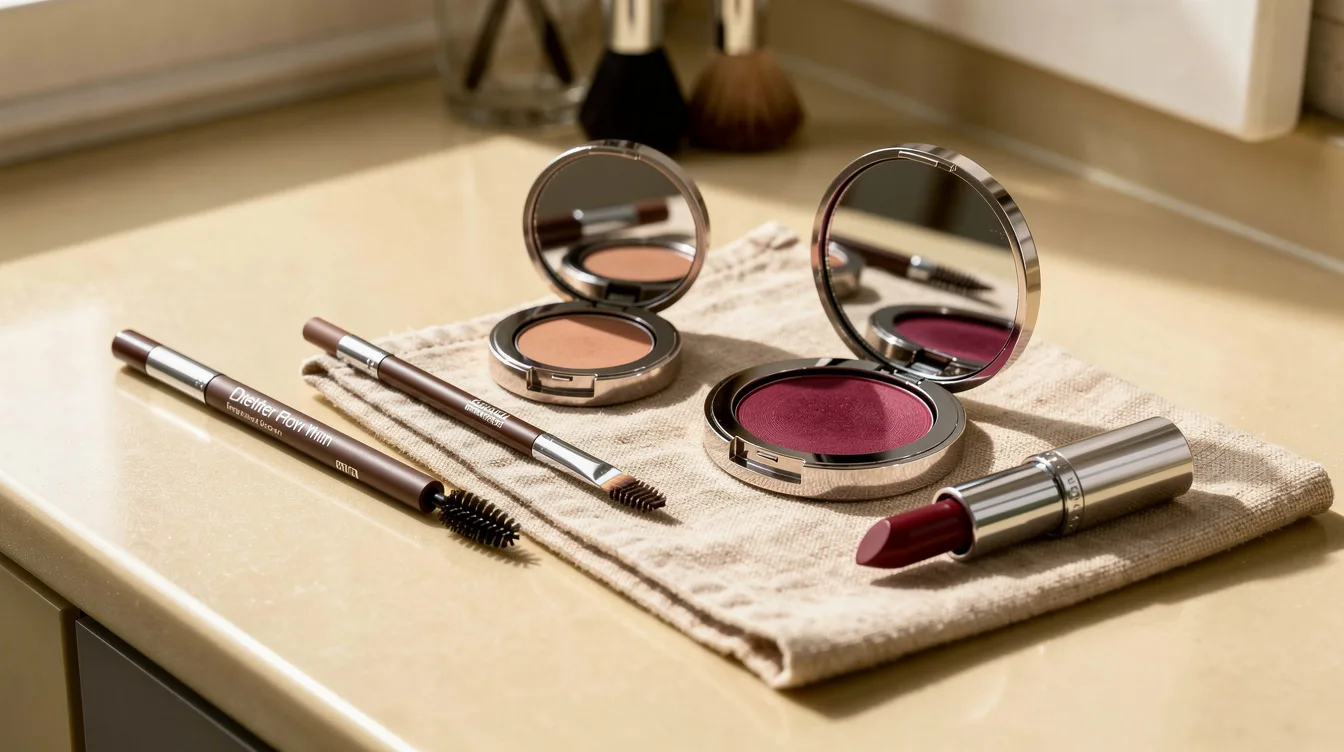
The trouble often shows up under bright bathroom lighting: the tail looks thin, the pencil catches on dry skin, and the old arch suddenly reads harsher. Before buying another serum, know that the controlled OTC eyebrow study used 2% minoxidil for roughly 16 weeks, not a stronger formula.
Shaping can make sparse brows look polished, but a gradual loss pattern deserves more attention than a new brow product.
What you will find inside
- 1. Check the Pattern Before You Remove Another Hair
- 2. Stop Chasing a Sharp, High Arch
- 3. Treat New Loss as a Health Clue
- 4. Use Growth Treatments With Realistic Expectations
- 5. Ask About Prescription Options Instead of Serum Stacking
- 6. Build Fullness With Fine, Flexible Makeup
1. Check the Pattern Before You Remove Another Hair
Pause the tweezers when thinning begins at both outer brows, especially alongside a widening hairline. Dermatologists flag this combination because frontal fibrosing alopecia, a scarring hair-loss condition seen often after menopause, needs prompt evaluation.
Book a dermatology visit for loss that is rapid, patchy, itchy, painful, red, scaly, shiny, or paired with eyelash or scalp-hair loss. A brow pencil can wait when follicles may be under active inflammation.
2. Stop Chasing a Sharp, High Arch
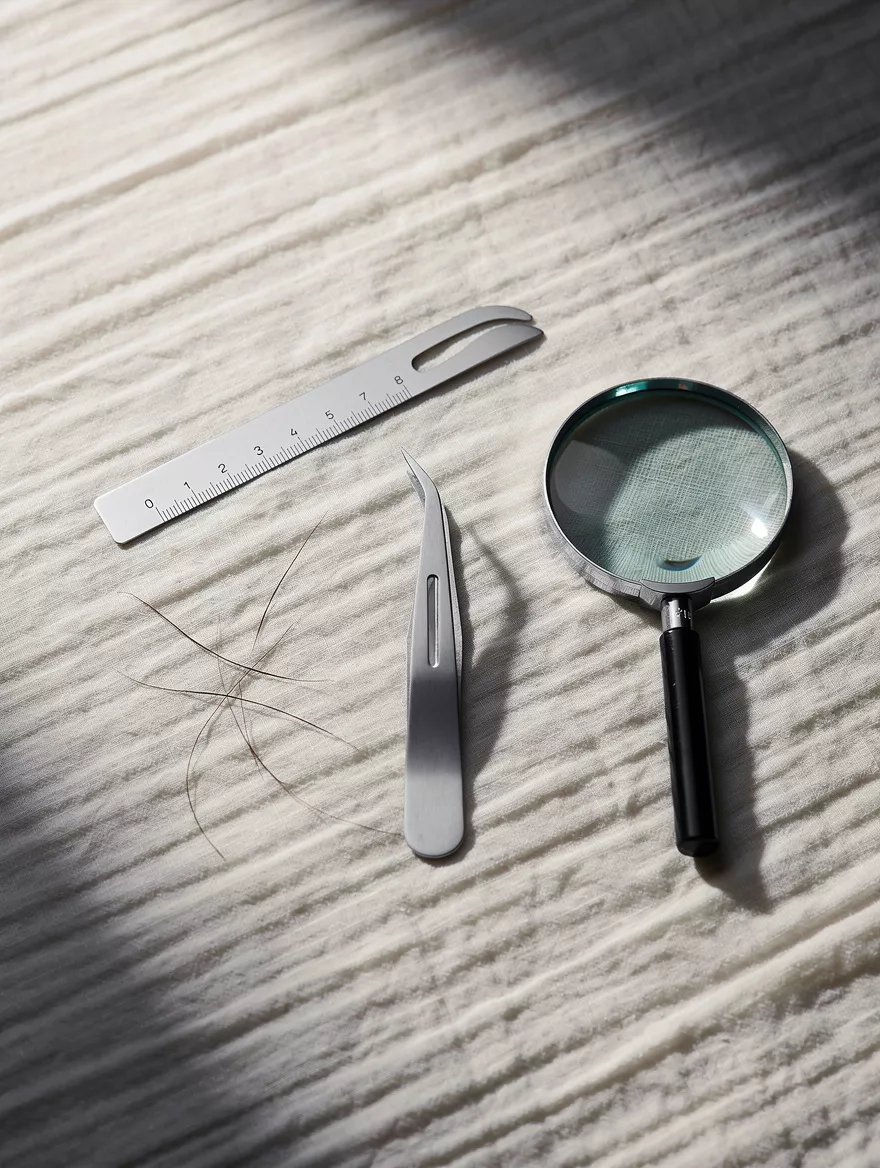
A dramatically lifted arch can make a thinning brow look more fragmented, particularly when the upper edge has lost density. Keep the fullest natural area as the anchor, then use a soft pencil such as Anastasia Beverly Hills Brow Wiz to suggest individual hairs rather than redraw the whole brow.
Our opinion: a flatter, gently tapered shape usually looks more believable on sparse brows than a sculpted peak. Leave the lower edge mostly intact, since repeated cleanup there can narrow the brow further.
3. Treat New Loss as a Health Clue
Sudden smooth patches may fit alopecia areata, while thyroid changes, iron deficiency, dermatitis, medication changes, restrictive eating, and years of plucking can each call for different care. A cosmetic serum cannot sort out those possibilities.
Bring a timeline, photos, and a list of recent medication or scalp changes to an appointment. See a dermatologist promptly if the front hairline is receding with brow loss, because regrowth becomes harder once scarring has advanced.
4. Use Growth Treatments With Realistic Expectations
For nonscarring sparse brows, research supports topical minoxidil more directly than most peptide brow serums, although eyebrow use is off-label. The 40-person split-face trial found better counts, diameter, photos, and satisfaction with 2% treatment after 16 weeks versus placebo.
Keep it away from the eyes and follow a clinician or product professional’s guidance, especially if skin is irritated. More products do not automatically mean better results, and a new reaction is a reason to stop and get advice.
5. Ask About Prescription Options Instead of Serum Stacking
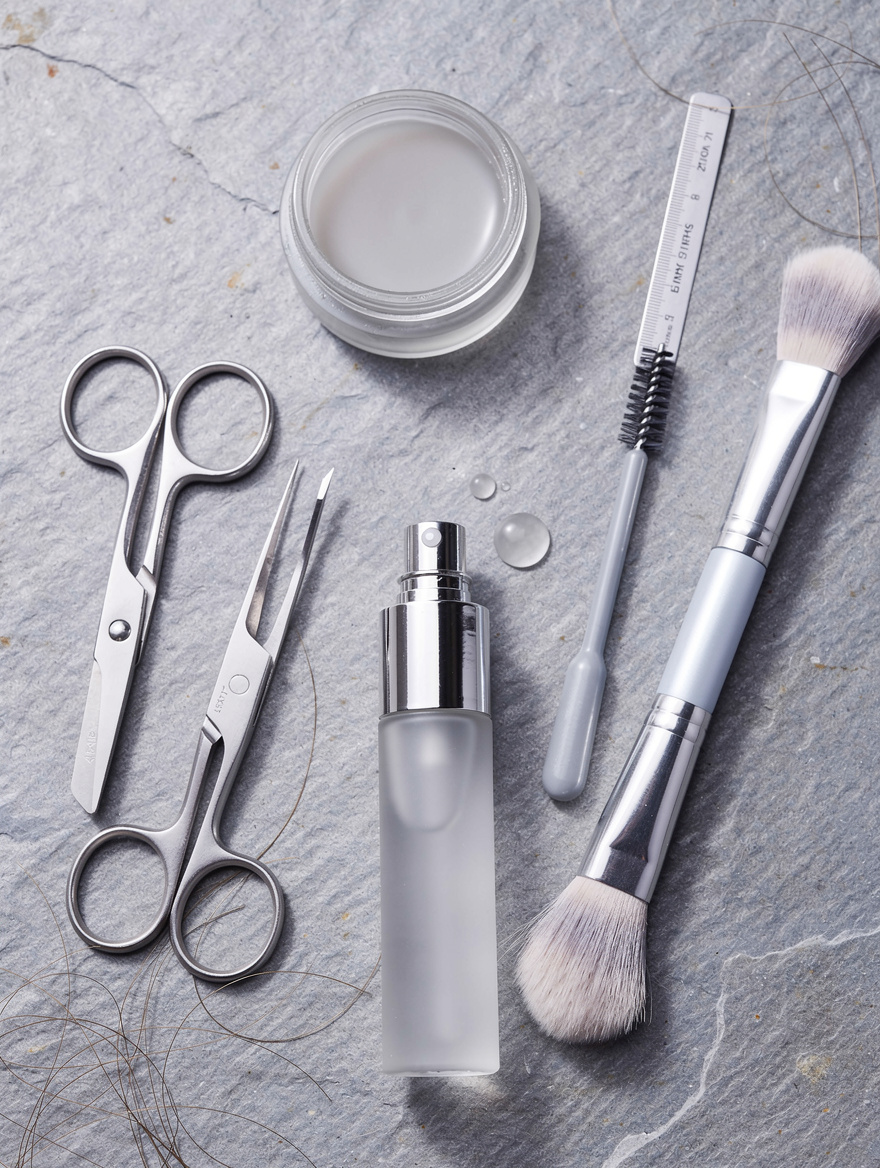
Bimatoprost has the strongest controlled prescription-quality evidence for eyebrow density and diameter, but brow use is also off-label and requires a prescriber’s judgment. Studies of 0.01% and 0.03% formulations found improvement, including a larger trial with results at about seven months.
A 16-week comparison found improvement with 2% minoxidil and both bimatoprost strengths, without a statistically significant difference among the groups. That makes an expensive pile of growth actives hard to justify without a diagnosis and a clear plan.
6. Build Fullness With Fine, Flexible Makeup
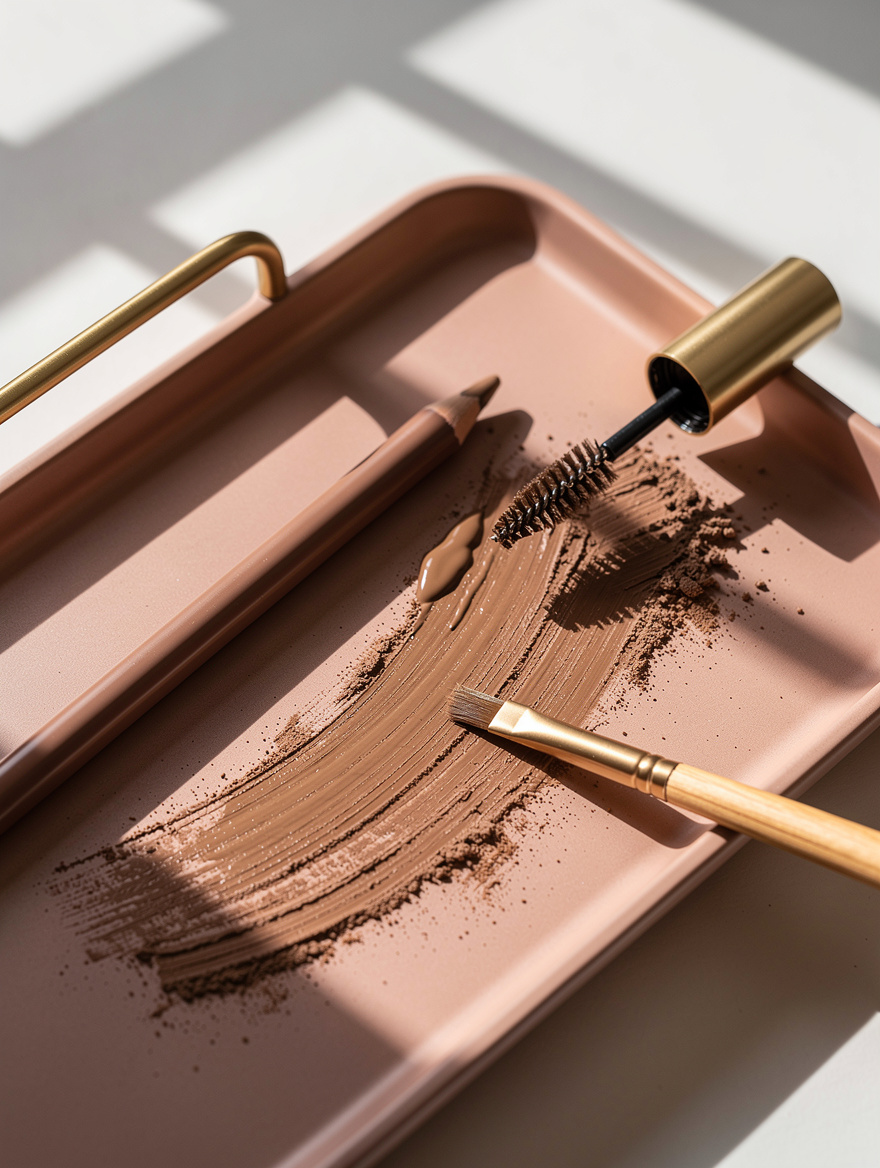
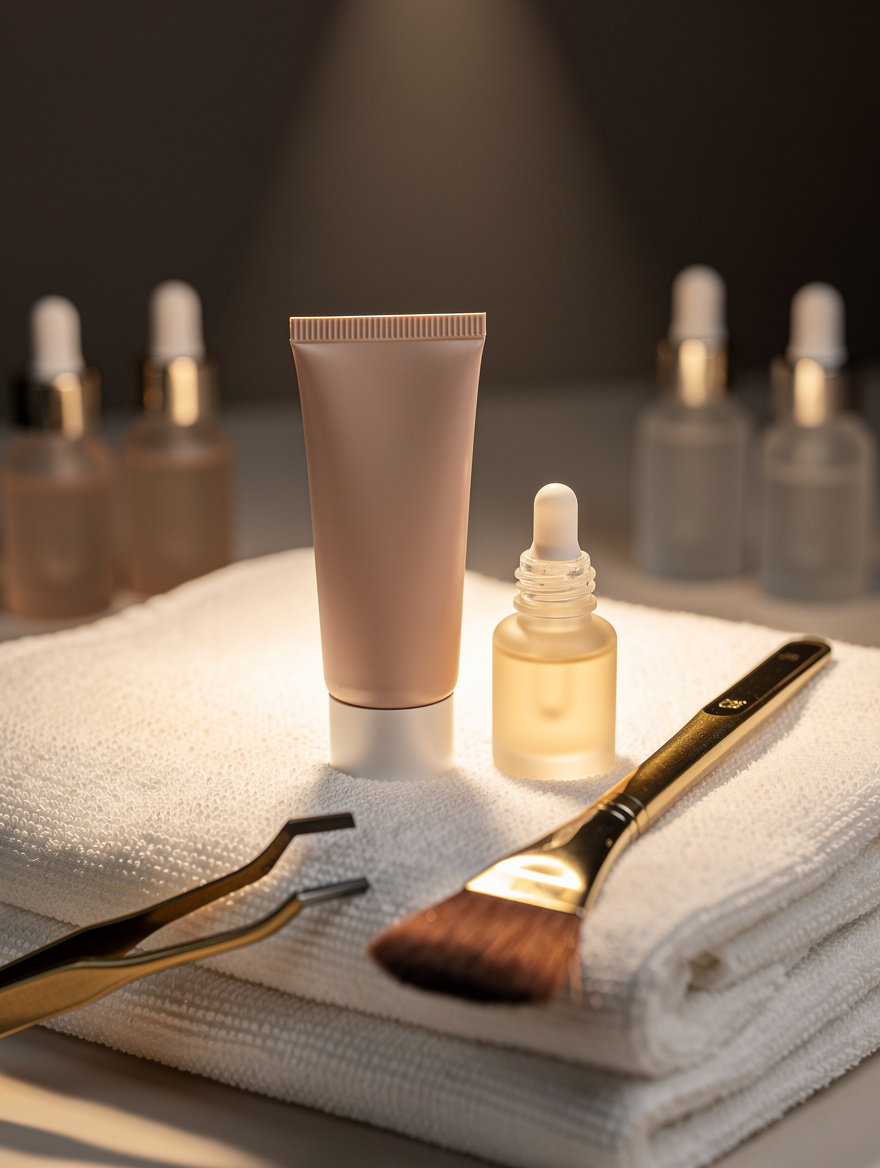
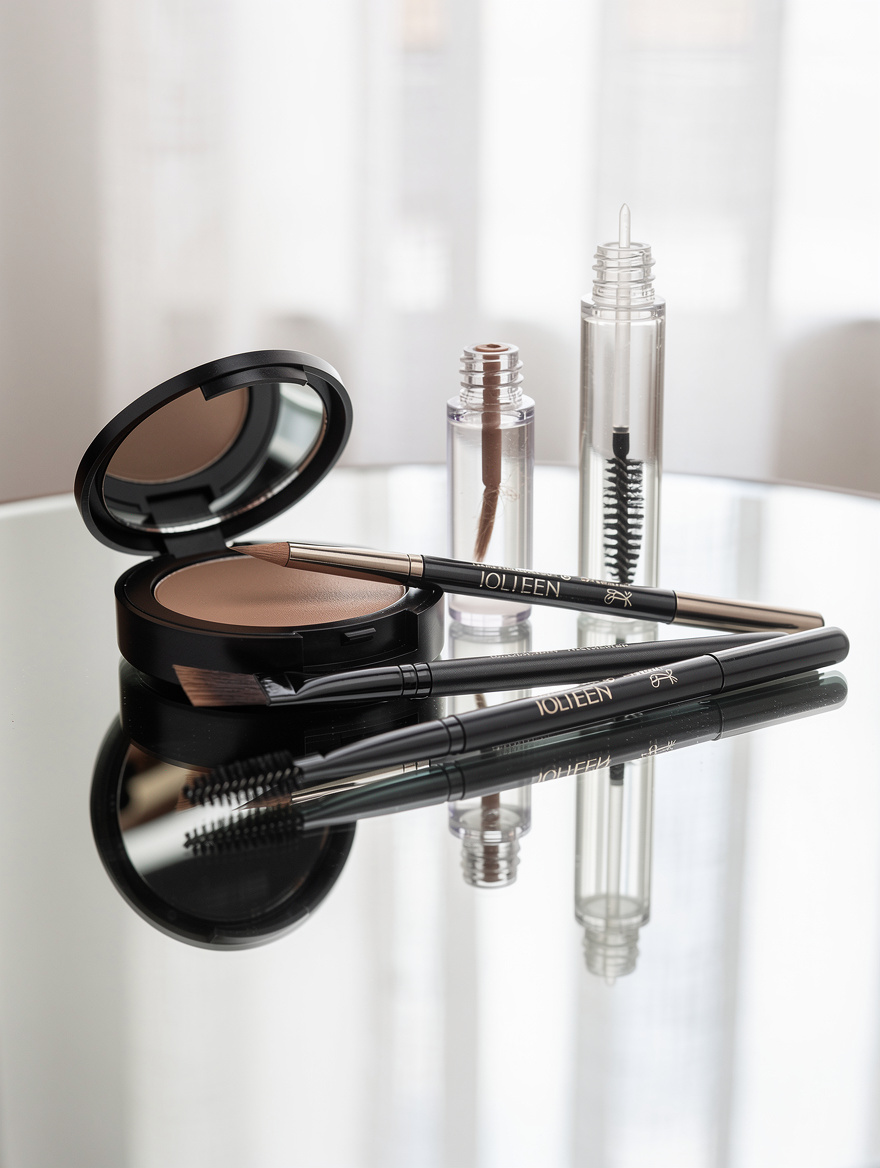
Use a tinted brow gel, such as Benefit Gimme Brow+, after pencil to add texture without laying down a solid block of color. Choose a shade close to the brow’s deeper hairs, then concentrate it through the center and tail where thinning is most visible.
Skip a heavily outlined front edge, which can look stamped on against thinner, drier skin. A clean spoolie is the useful final step: brush upward at the front, then outward through the tail to soften every mark.
Start with a four-week tweezer break and a lighter hand with pencil, then photograph both brows in the same lighting. If loss is progressing or the hairline is moving back, put a dermatologist appointment ahead of any new serum.