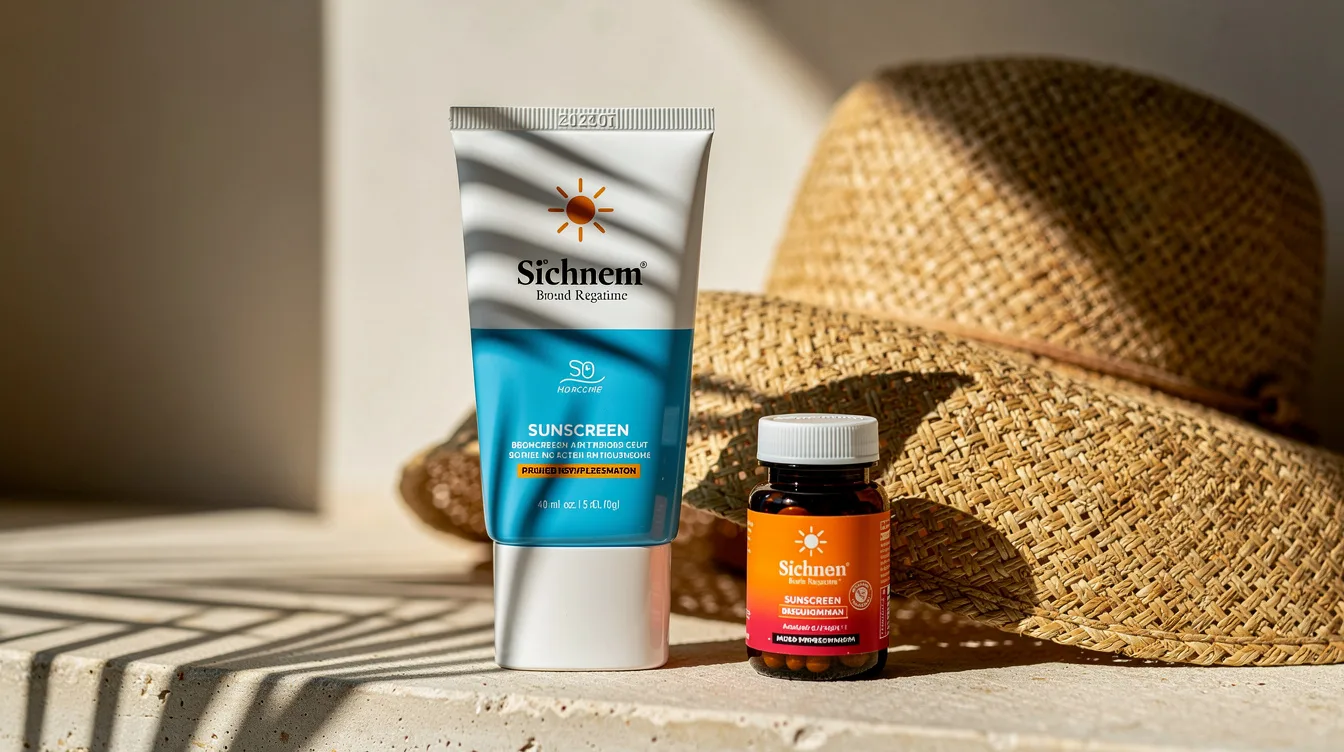
The bottle on the bathroom counter promises sun support, and it’s tempting when a sunscreen reapplication feels like one more thing to manage. A common capsule dose is 240 mg, but that number does not give skin a tested SPF rating.
For skin over 50, where uneven tone and cumulative exposure can be especially visible, a daily topical sunscreen remains the practical nonnegotiable.
What you will find inside
- 1. Keep SPF On Your Skin
- 2. Treat Oral Supplements As Extras
- 3. Skip The Imaginary SPF Math
- 4. Apply Enough Of A Water-Resistant Formula
- 5. Pair Sunscreen With Real-World Cover
- 6. Be Careful With Big Prevention Claims
1. Keep SPF On Your Skin
Broad-spectrum SPF 30 works because UV filters form a film directly on the skin. Under standardized testing, SPF 30 filters roughly 97% of UVB rays when enough is applied, while broad-spectrum labeling addresses UVA as well.
A capsule cannot create that even, measurable film across the forehead, cheeks, ears, neck, and chest. Our view is simple: sunscreen is the primary product, not an optional finishing touch.

2. Treat Oral Supplements As Extras
Many sun-support supplements use Polypodium leucotomos, a fern extract also called Fernblock. Research suggests it may raise the amount of UV exposure needed to trigger visible redness for some people, but that is not the same outcome as preventing sunburn.
Studies are generally small and use different doses and measures, so the protection is not predictable person to person. Think of an oral supplement as a possible adjunct after the basics are covered.
3. Skip The Imaginary SPF Math
There is no legitimate way to add a pill’s claimed benefit to the number on your SPF 50 bottle. SPF is a standardized topical measurement, and supplements do not receive a label-verified SPF or dependable UVA rating.
That distinction matters because UVA contributes to visible pigmentation and photoaging, even when skin does not look red. A supplement’s antioxidant activity may be interesting, but it cannot be converted into sunscreen protection.
4. Apply Enough Of A Water-Resistant Formula
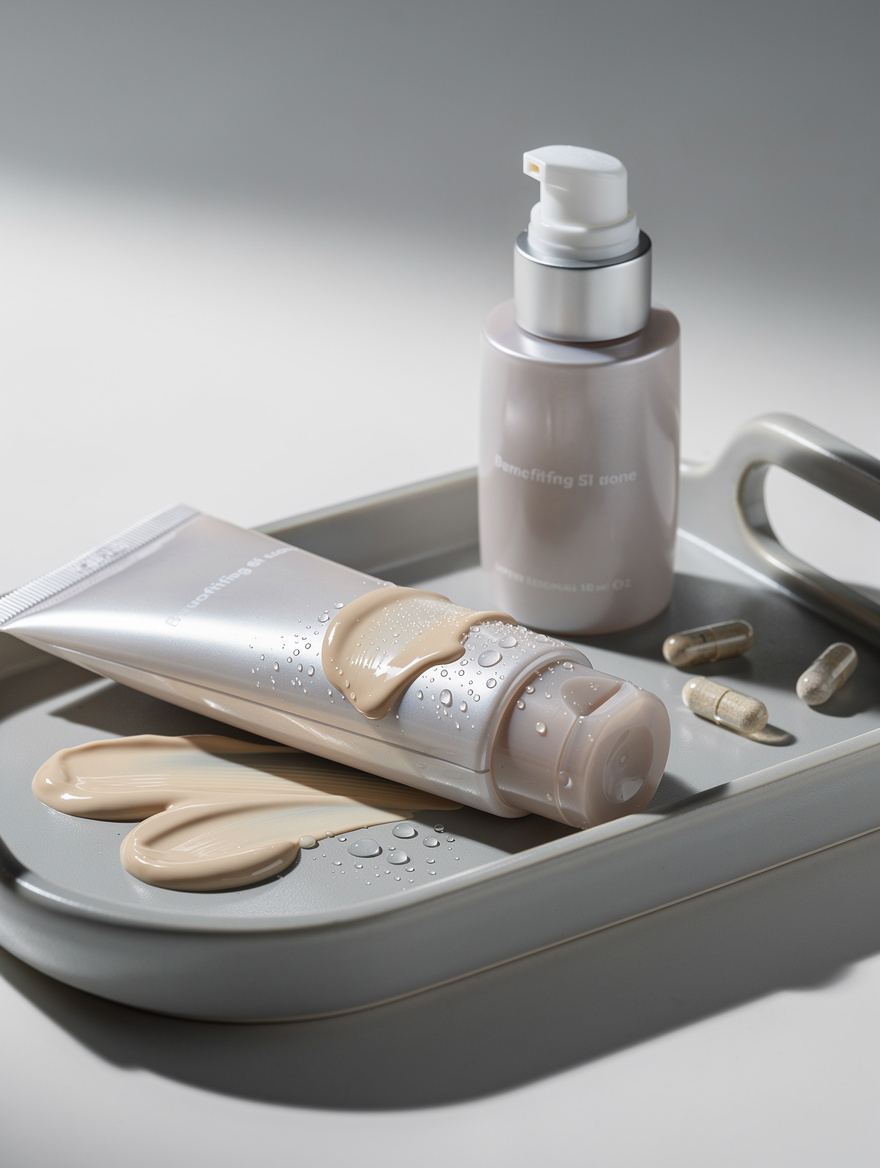
A dependable daily choice is La Roche-Posay Anthelios Melt-in Milk Sunscreen SPF 60, typically around $25, for face and exposed body skin. Its water-resistant labeling is useful for sweat, swimming, and humid days, though it still needs reapplication as directed.
Use a generous, even layer before going outside and cover the places people routinely miss: hairline, ears, sides of the neck, and upper chest. A pill cannot fill those coverage gaps.
5. Pair Sunscreen With Real-World Cover
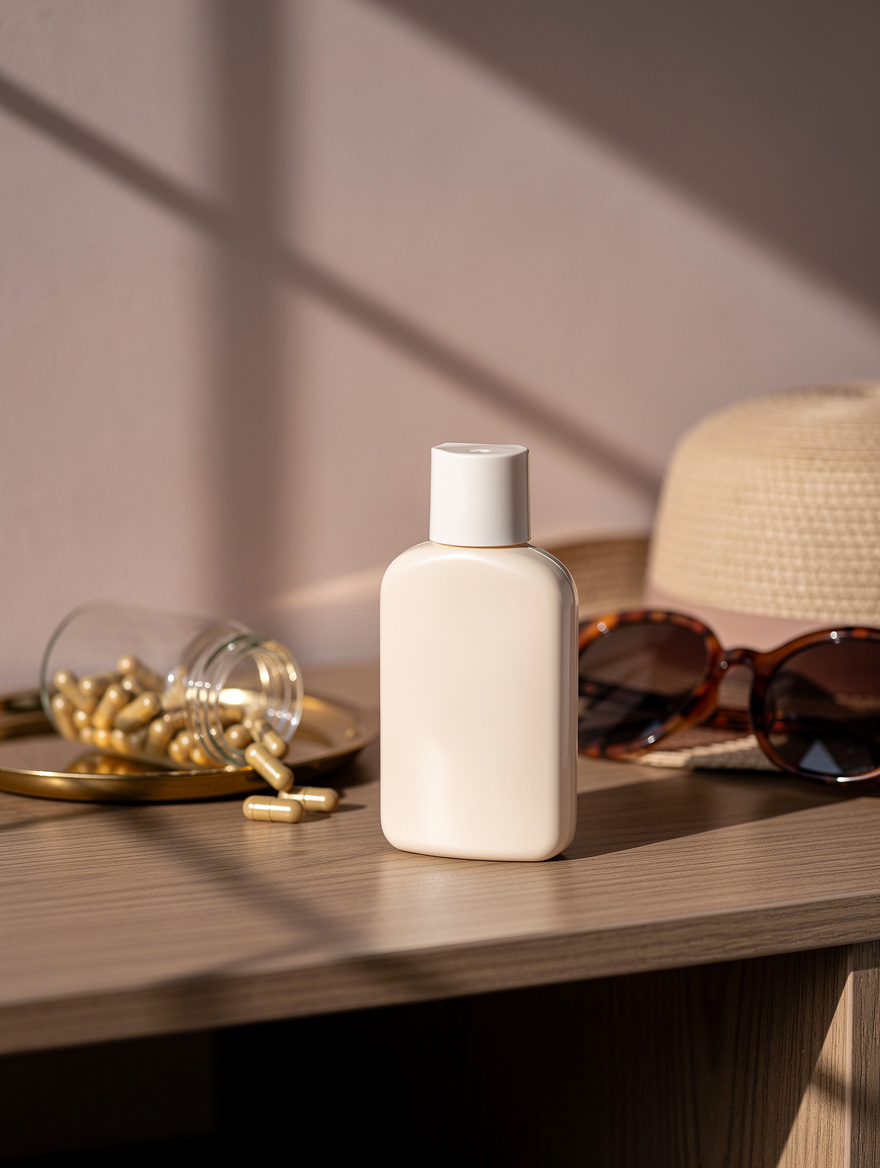
A wide-brimmed hat, UV-protective clothing, sunglasses, and shade reduce the amount of radiation reaching skin in the first place. This is especially sensible when you’re gardening, driving for long stretches, watching grandkids’ games, or sitting near reflective water.
Supplements may feel convenient, but convenience is a poor reason to leave high-exposure areas unprotected. Physical coverage and topical SPF work together without asking a capsule to do a job it has not been proven to do.
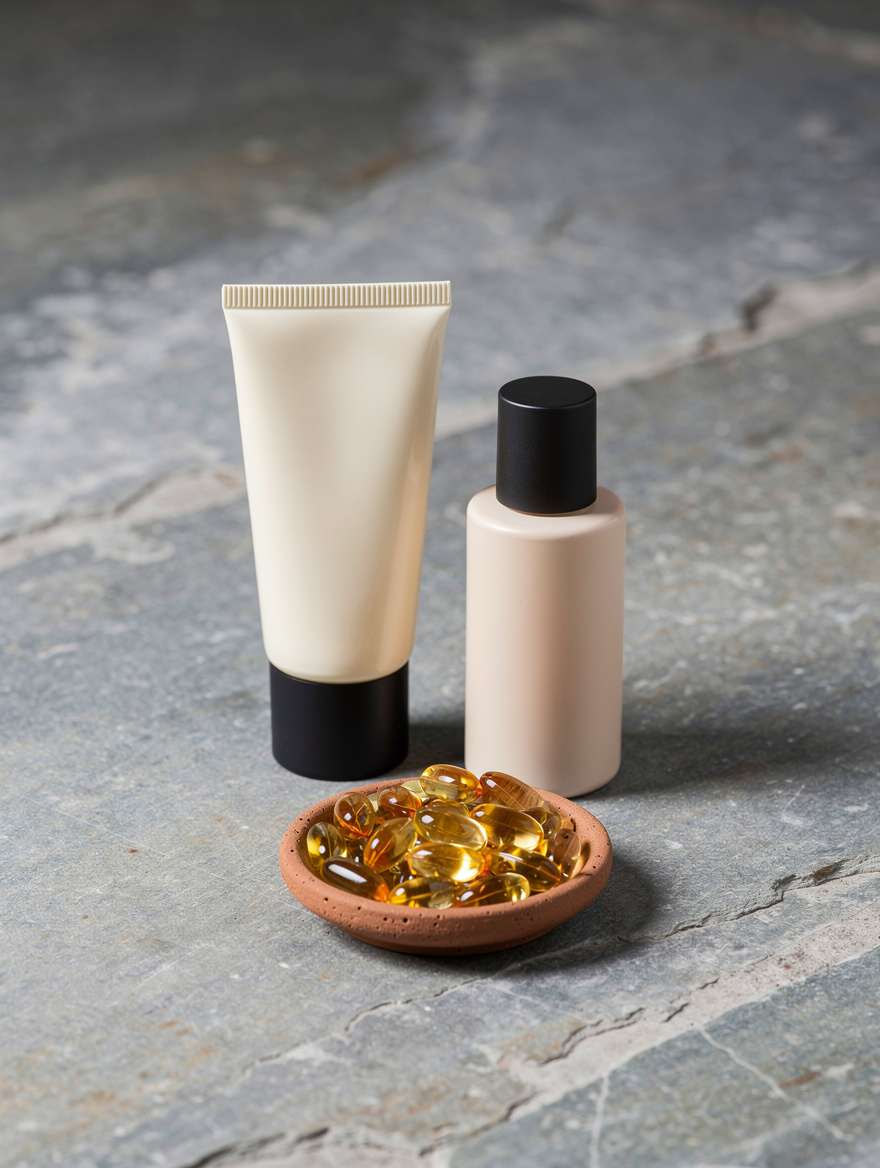
6. Be Careful With Big Prevention Claims
Sun-protection capsules are dietary supplements, not FDA-approved sunscreen drugs. The FDA has warned against supplement marketing that implies a pill can prevent sunburn, premature skin aging, or skin cancer, because it can create a false sense of security.
Keep your dermatologist involved if you have melasma, unusual sun sensitivity, extensive sun damage, or questions about supplements and medications. Anything that bleeds, changes shape, or does not heal deserves a dermatology visit rather than a new supplement routine.
Start by choosing a broad-spectrum, water-resistant SPF 30+ you’ll actually wear every morning, then add a hat for longer outdoor time. If you try an oral supplement, keep it firmly in the extra-credit column.