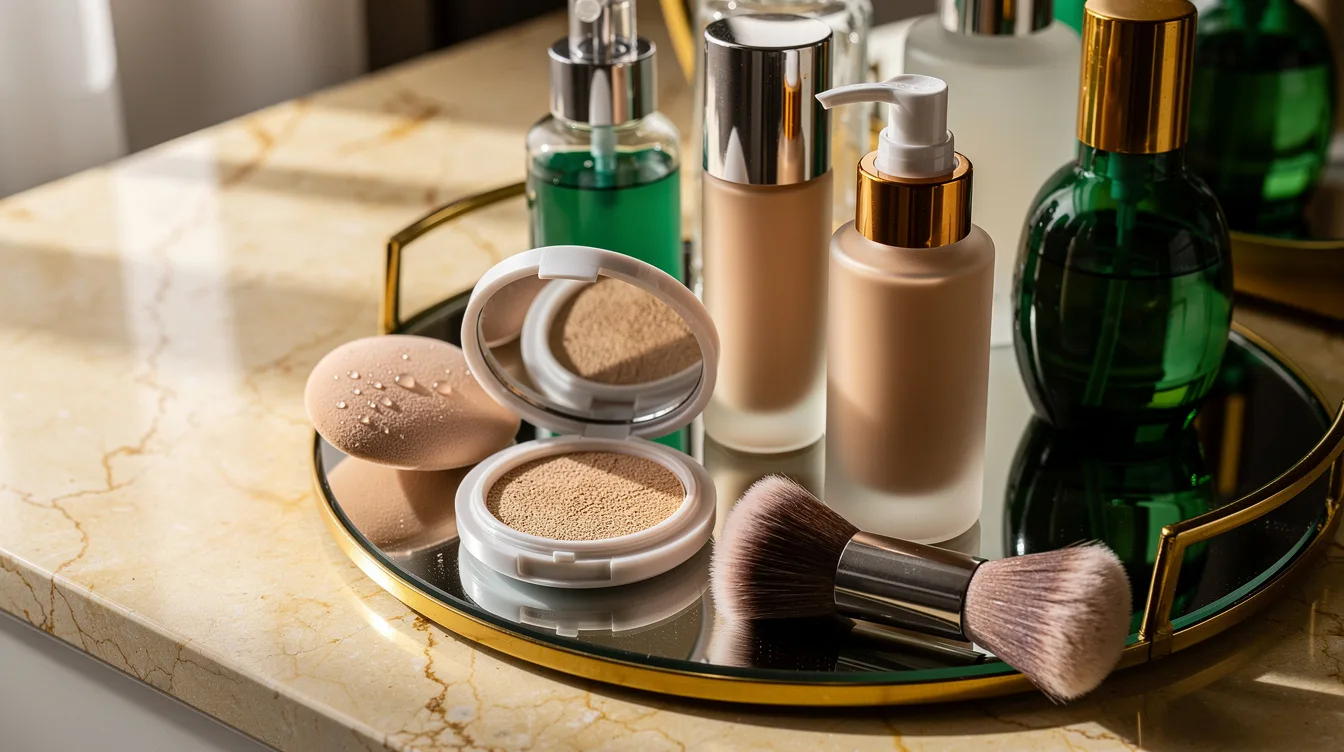
At the bathroom mirror, powder can look polished for the first five minutes, then suddenly gather beneath the eyes and along the smile lines. A compact that once behaved can start emphasizing the very texture it was meant to soften.
That shift makes sense when skin has less surface oil and a thinner moisture cushion after menopause. Even a roughly $16 CeraVe PM Facial Moisturizing Lotion can make a more useful difference under makeup than another layer of setting powder.
Powder does not biologically age skin. On dry or dehydrated skin, though, a matte, absorbent film can make pores, flakes, and fine lines look sharper within minutes.
What you will find inside
- 1. Prep With Barrier Support Before Makeup
- 2. Trade Matte Foundation for a Flexible Tint
- 3. Spot-Conceal Instead of Covering Everything
- 4. Set Only the Areas That Actually Shine
- 5. Press Product In, Then Use a Mist
- 6. Keep Retinol and Exfoliation From Competing With Makeup
1. Prep With Barrier Support Before Makeup
Give moisturizer five to 10 minutes to settle before foundation, especially when cheeks feel tight by lunchtime. Look for glycerin, ceramides, cholesterol, fatty acids, squalane, or sodium hyaluronate, because a flexible base helps complexion products spread in a thinner layer.
We favor a real moisturizer over a watery serum alone when makeup has begun catching on dry patches. La Roche-Posay Toleriane Double Repair Face Moisturizer, typically around $23, is a sensible option for someone who wants barrier-focused ingredients without a heavy finish.
Use sunscreen as its own adequate layer, then let it set before complexion makeup. A tinted SPF can be convenient, but it is often applied too sparingly to replace a dedicated broad-spectrum sunscreen.
2. Trade Matte Foundation for a Flexible Tint
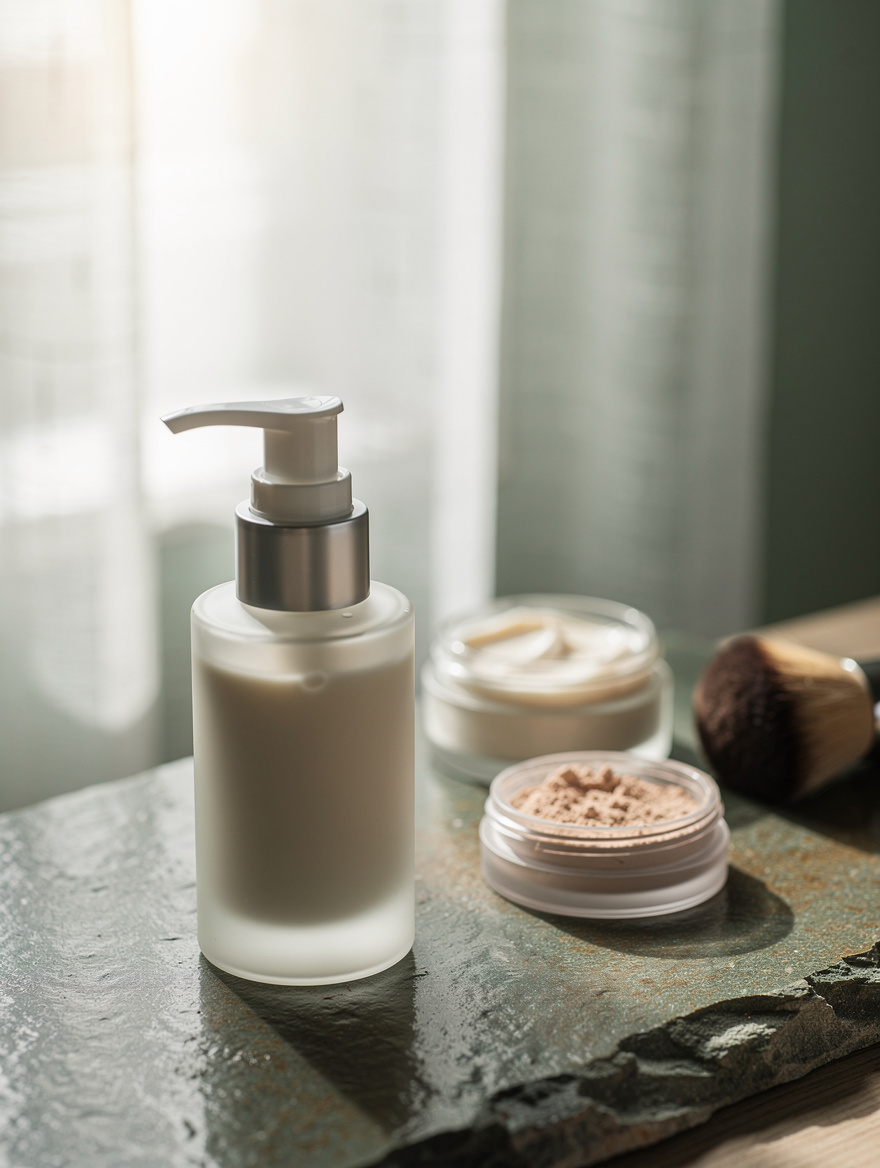
A full-coverage powder foundation can pull surface sheen from areas that already have little oil. Choose a liquid, serum, or skin tint formula that leaves a skin-like finish, then build only where discoloration actually needs coverage.
Neutrogena Hydro Boost Hydrating Tint, often around $18 when available at US retailers, illustrates the finish to seek: light coverage and a more forgiving slip than a dry compact. The point is not dewy shine, it is a complexion film that moves with facial expression.
Apply foundation from the center outward with damp fingers, a sponge, or a brush used sparingly. A thin layer usually looks more convincing on cheeks and around the mouth than repeated buffing.
3. Spot-Conceal Instead of Covering Everything
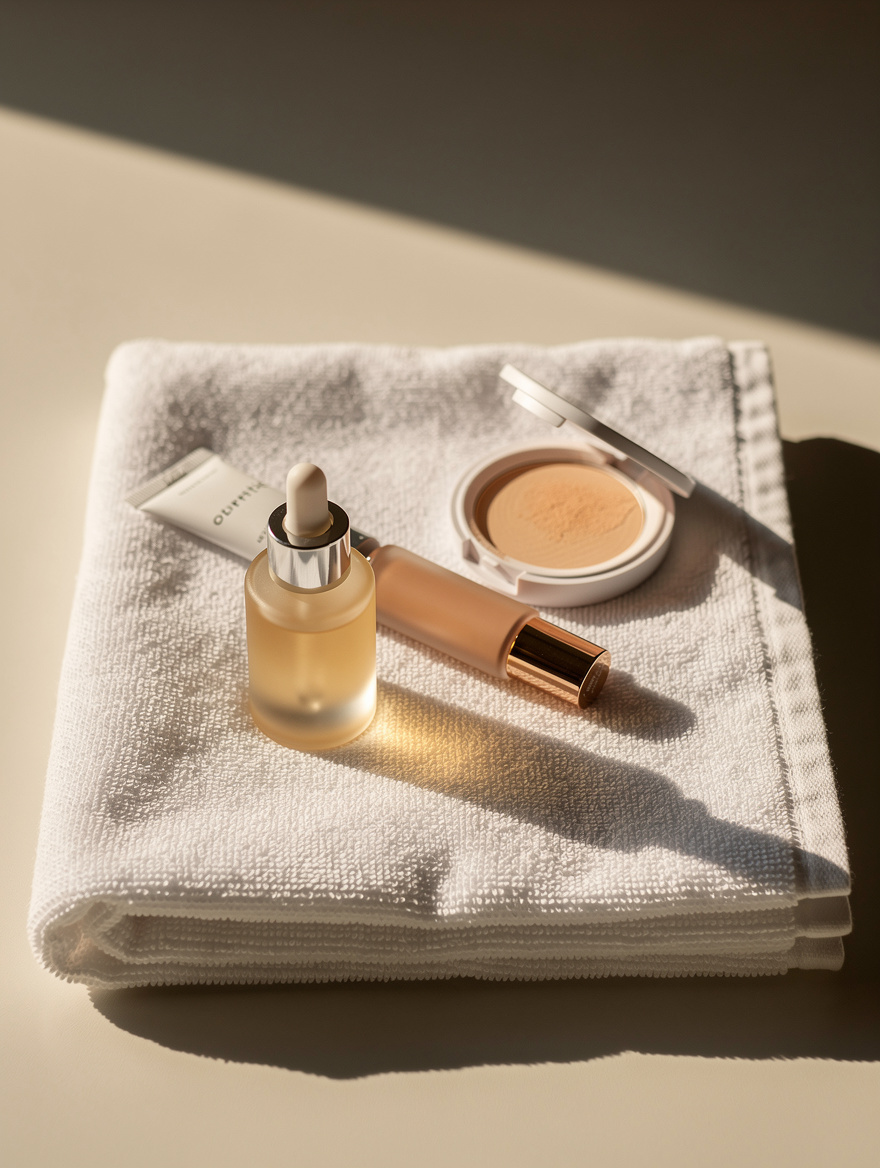
Covering the entire face to hide one spot creates extra product for lines and pores to hold onto. Place concealer only over darkness, redness, or a distinct mark, then tap the edge outward until it disappears.
For under-eyes, a small amount of NARS Radiant Creamy Concealer can be enough when placed at the inner corner and where shadow is deepest. It is commonly about $32, so this is also a case where using less makes practical sense.
Skip a large triangle of opaque concealer under the eye when the skin is crepey or dry. A little visible natural skin often looks fresher than a thick layer that creases after coffee.
4. Set Only the Areas That Actually Shine
Powder has a job, it just does not need the whole face. Press the smallest amount onto the sides of the nose, between the brows, and center of the chin if those areas get shiny.
A finely milled option such as Laura Mercier Translucent Loose Setting Powder, typically about $43, can work when used with a small brush rather than a dense puff. Our opinion: save it for the T-zone and avoid treating it as an all-over finishing step.
Keep cheeks, smile lines, and the under-eye area free of powder unless they genuinely need it. Light-diffusing particles can blur in a small dose, while an opaque layer tends to collect in facial folds.
5. Press Product In, Then Use a Mist
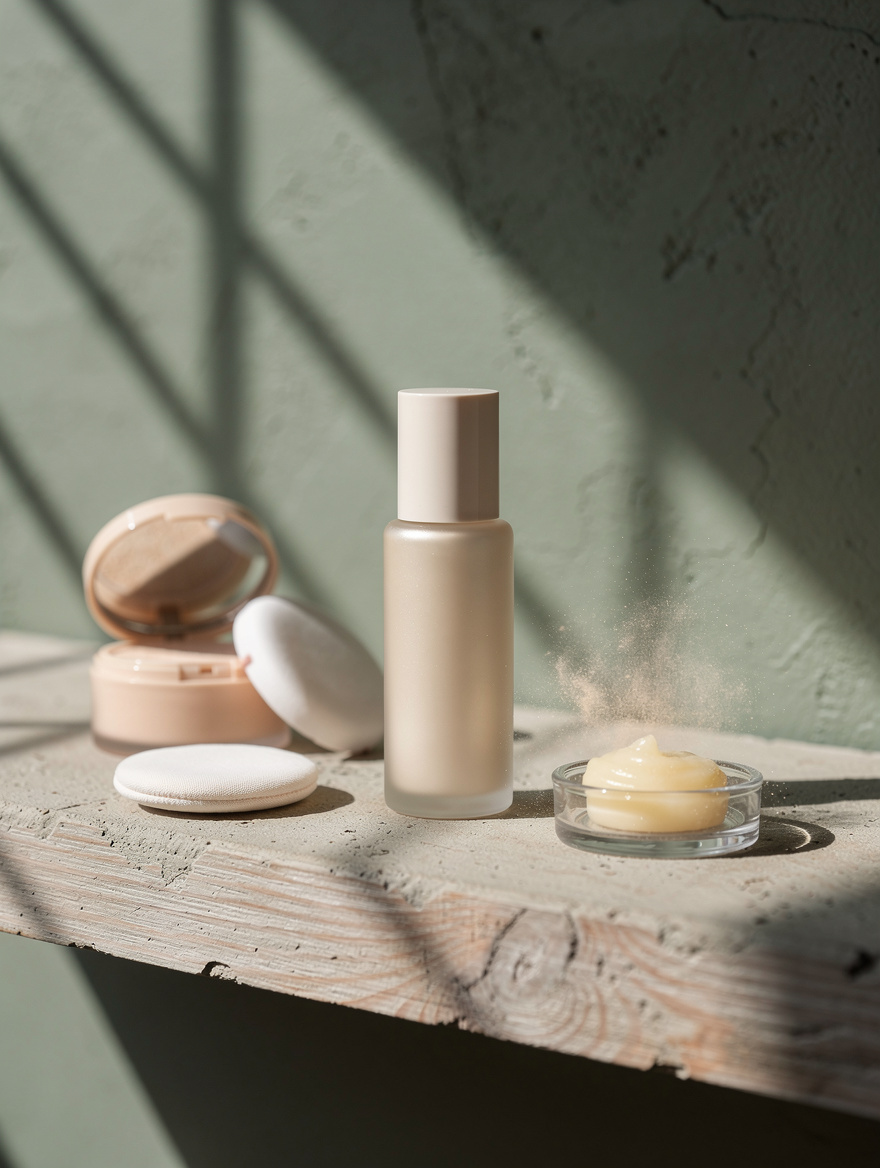
Dragging a brush repeatedly across dry skin can lift flakes and disturb the moisturizer underneath. Pressing complexion products in with a damp sponge leaves a more even film and avoids the chalky buildup that comes from overworking powder.
After makeup, a light mist of MAC Prep + Prime Fix+, usually around $36, can help powdery edges look less obvious. It is a finish step, not a substitute for moisturizer or sunscreen.
Hold the mist at arm’s length and use a light pass, then let it dry without touching your face. Too much spray can disrupt coverage and leave makeup gathering around the nose.
6. Keep Retinol and Exfoliation From Competing With Makeup
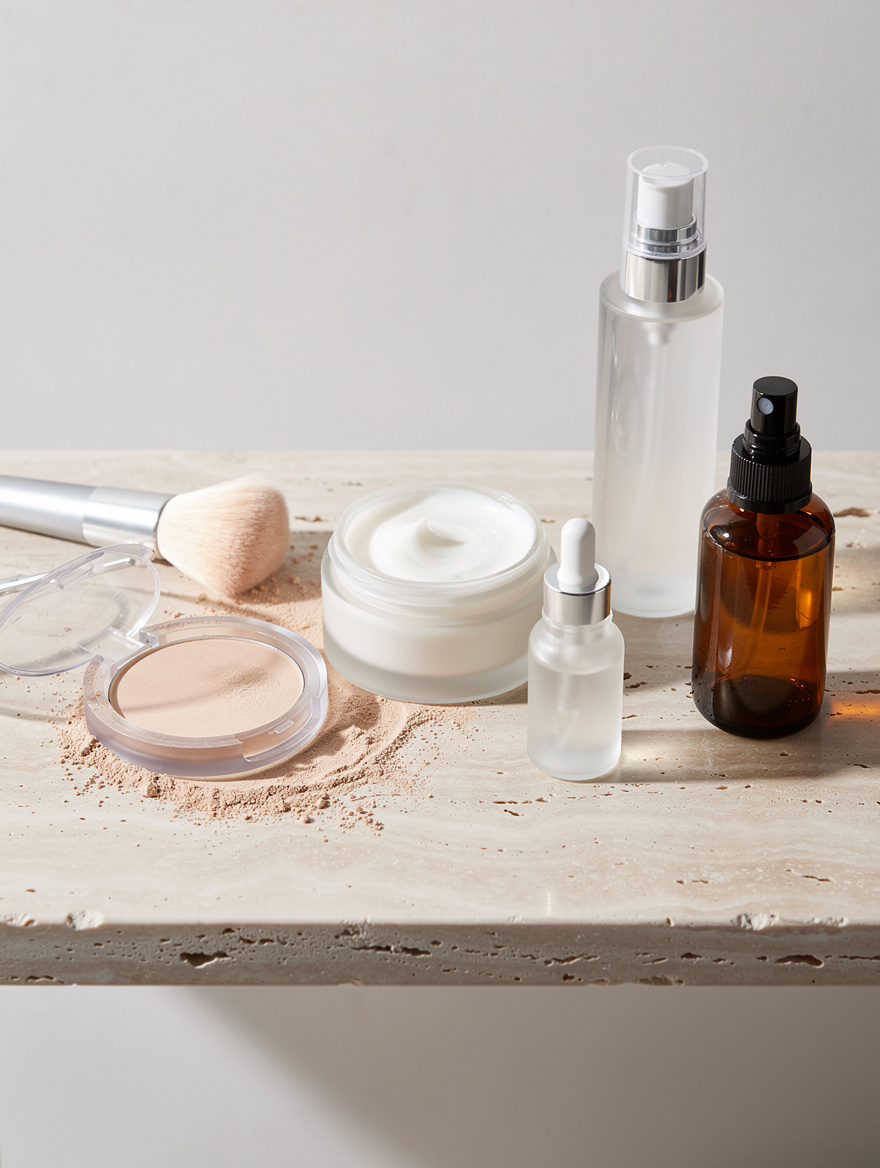
When a routine includes retinoids or exfoliating acids, temporary dryness and flaking can make any powder look harsher. Scale back if your skin is irritated, and favor bland hydration while the barrier feels unsettled.
A typical 0.3% retinol formula may be appropriate for some experienced users, but it is worth introducing gradually and following product directions. Dermatologists can help tailor prescription treatments or address persistent irritation, acne, or pigment changes.
Do not try to hide active flaking with more foundation and powder. Smooth, comfortable skin prep is the more reliable route to a polished makeup result.
Start tomorrow by moisturizing, using your usual complexion product in a thin layer, and reserving powder for the nose and chin only. If a spot bleeds, changes shape, or does not heal, make a dermatologist appointment rather than trying to cover it with makeup.