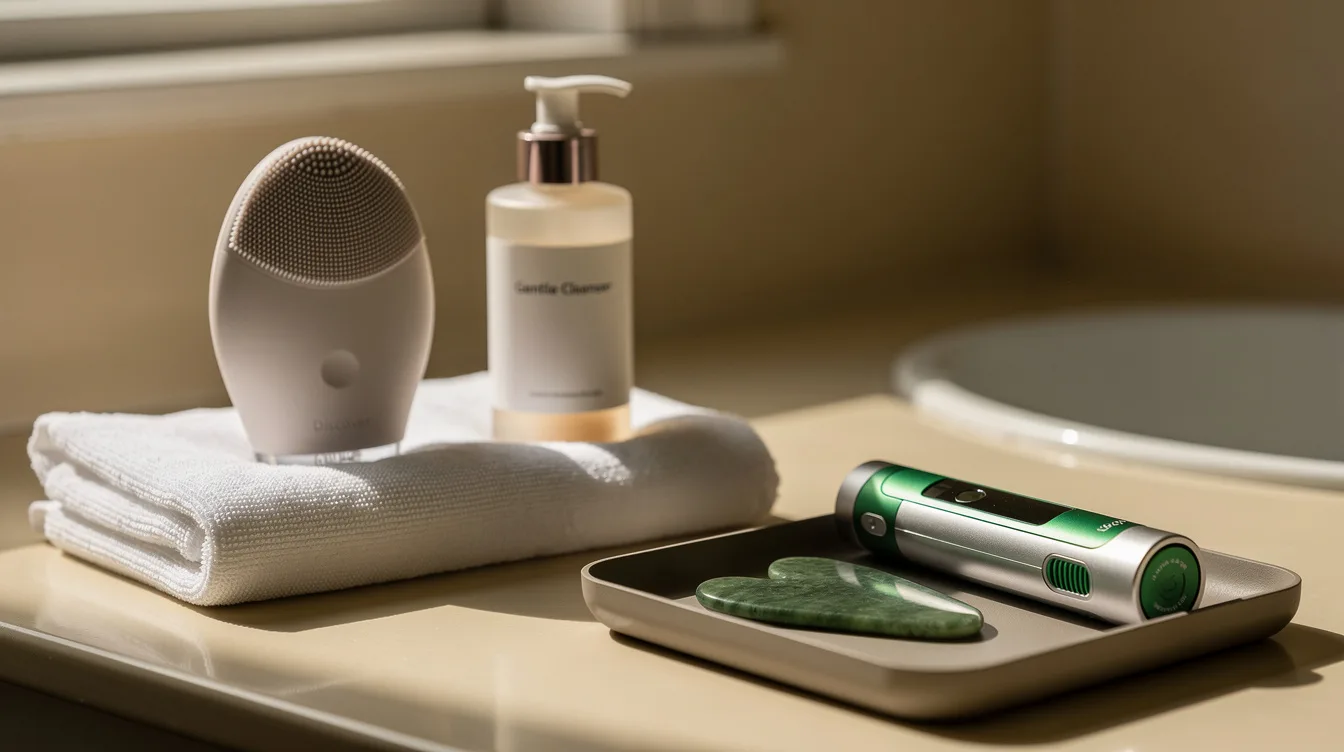
The mirror can make a “deep-clean” routine feel sensible, especially when foundation seems to settle differently by dinner. But a cleansing brush that once felt refreshing can start leaving cheeks tight or stingy, and a $15 CeraVe Hydrating Facial Cleanser often does the job with less friction.
Dermatologists generally don’t consider a brush necessary for mature skin, where lower oil production and a slower-recovering barrier can change the equation. Our view: save intensity for a treatment your skin actually tolerates, not a nightly scrub.
What you will find inside
- Use Fingertips for Your Everyday Cleanse
- Trade Rotating Bristles for Soft Silicone
- Limit a Device to Occasional Makeup Removal
- Skip Brushes on Active-Skincare Nights
- Protect the Barrier After You Rinse
- Pause Completely When Skin Is Reactive
Use Fingertips for Your Everyday Cleanse
Make fingertips and lukewarm water the default, as the American Academy of Dermatology recommends. A gentle, non-abrasive cleanser such as La Roche-Posay Toleriane Hydrating Gentle Cleanser, typically around $18, gives slip without turning cleansing into exfoliation.
Massage lightly for about 30 seconds, then pat with a clean towel instead of rubbing. This approach can feel almost too simple after years of “deep cleansing” marketing, but mature skin rarely benefits from extra mechanical work.
Trade Rotating Bristles for Soft Silicone
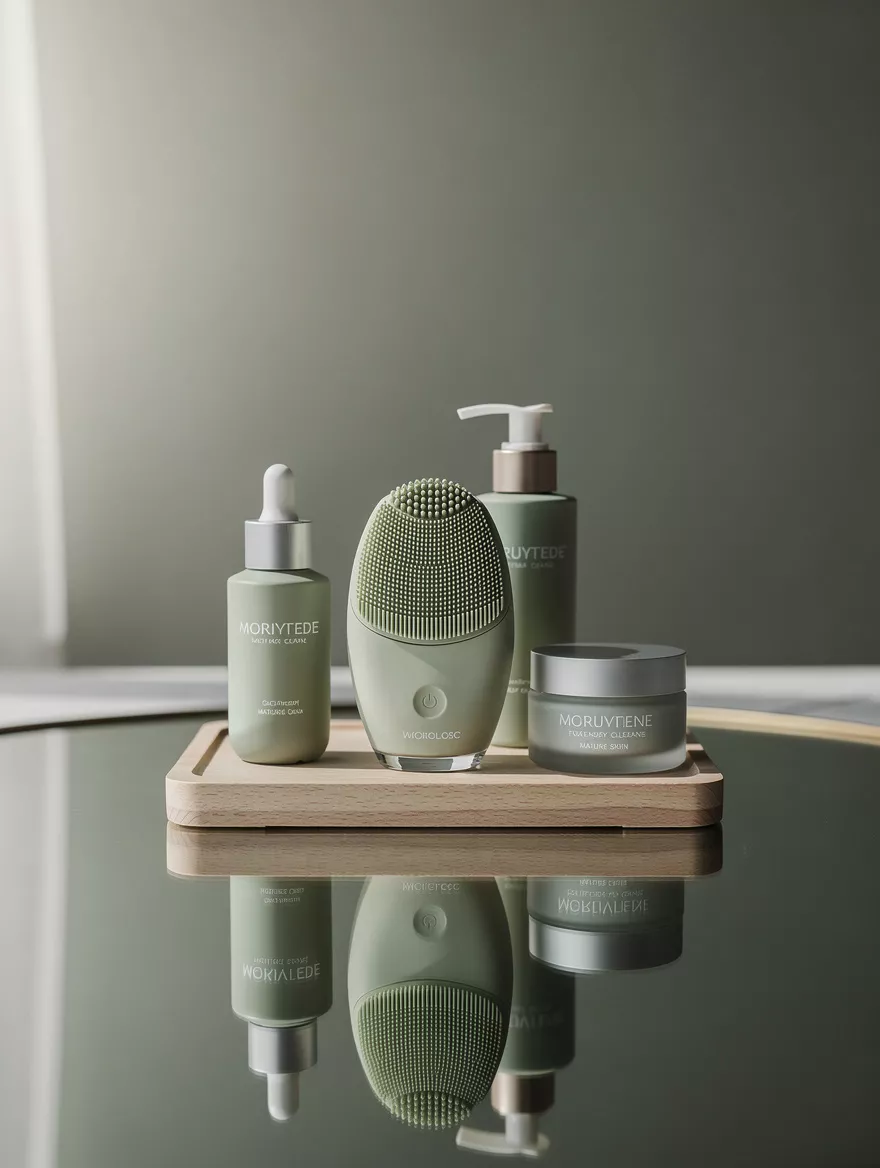
If a device is part of the pleasure of your routine, choose a soft silicone sonic option over a rotating brush with traditional bristles. A device such as FOREO LUNA mini 3 is designed with flexible silicone touchpoints that are easier to keep clean and less likely to drag across dry areas.
That doesn’t make any device essential or universally gentle. Silicone is the lower-risk format when used carefully, while rotating bristles and firm brush heads are a poor bet for skin that already flushes, flakes, or feels raw after washing.
Limit a Device to Occasional Makeup Removal
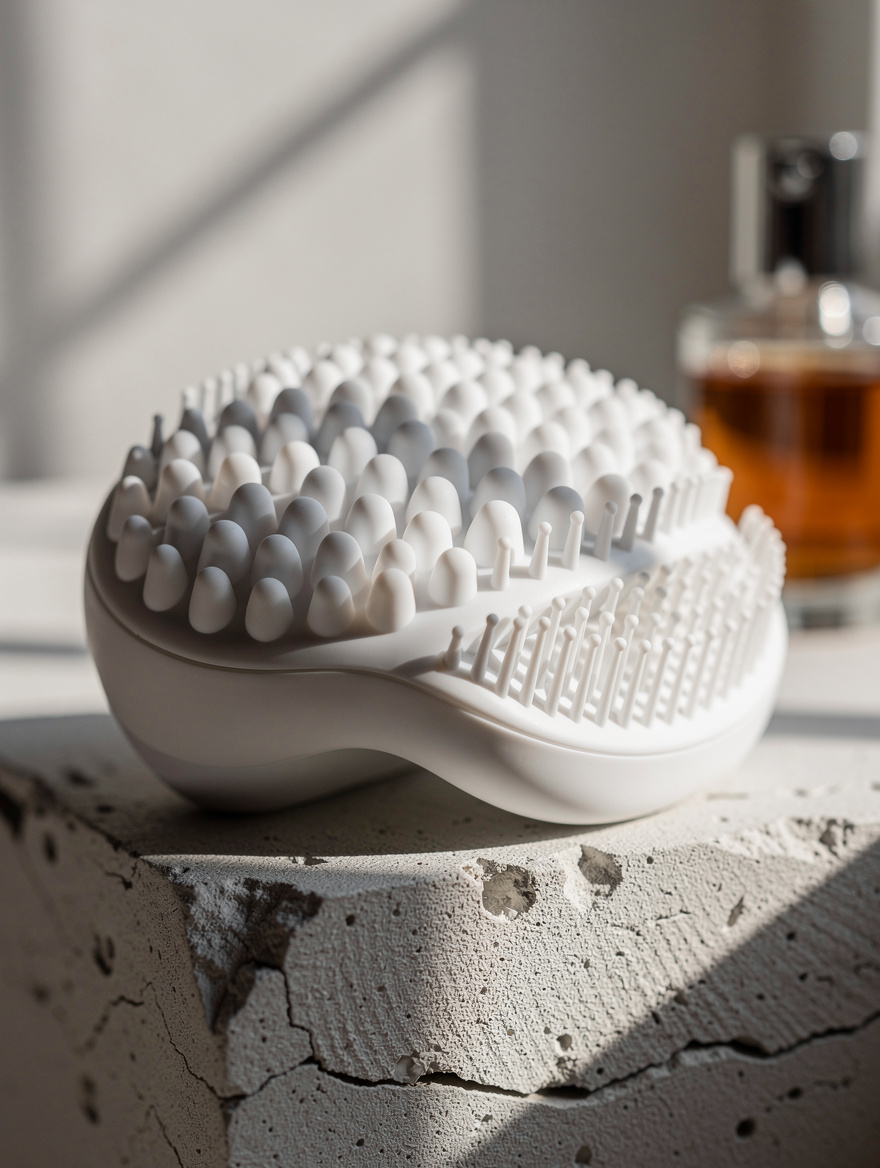
Reserve a sonic device for the occasional evening when long-wear makeup, water-resistant sunscreen, or city grime calls for extra help. Small studies suggest sonic cleansing can remove more modeled particulate pollution than hand washing, but that finding does not mean it treats wrinkles, laxity, or pigment.
Use a low setting, minimal pressure, and a brief pass rather than repeating areas until they feel squeaky. Pair it with a mild formula like Vanicream Gentle Facial Cleanser, usually about $10, because a strong cleanser plus friction is where the routine starts becoming needlessly aggressive.
Skip Brushes on Active-Skincare Nights
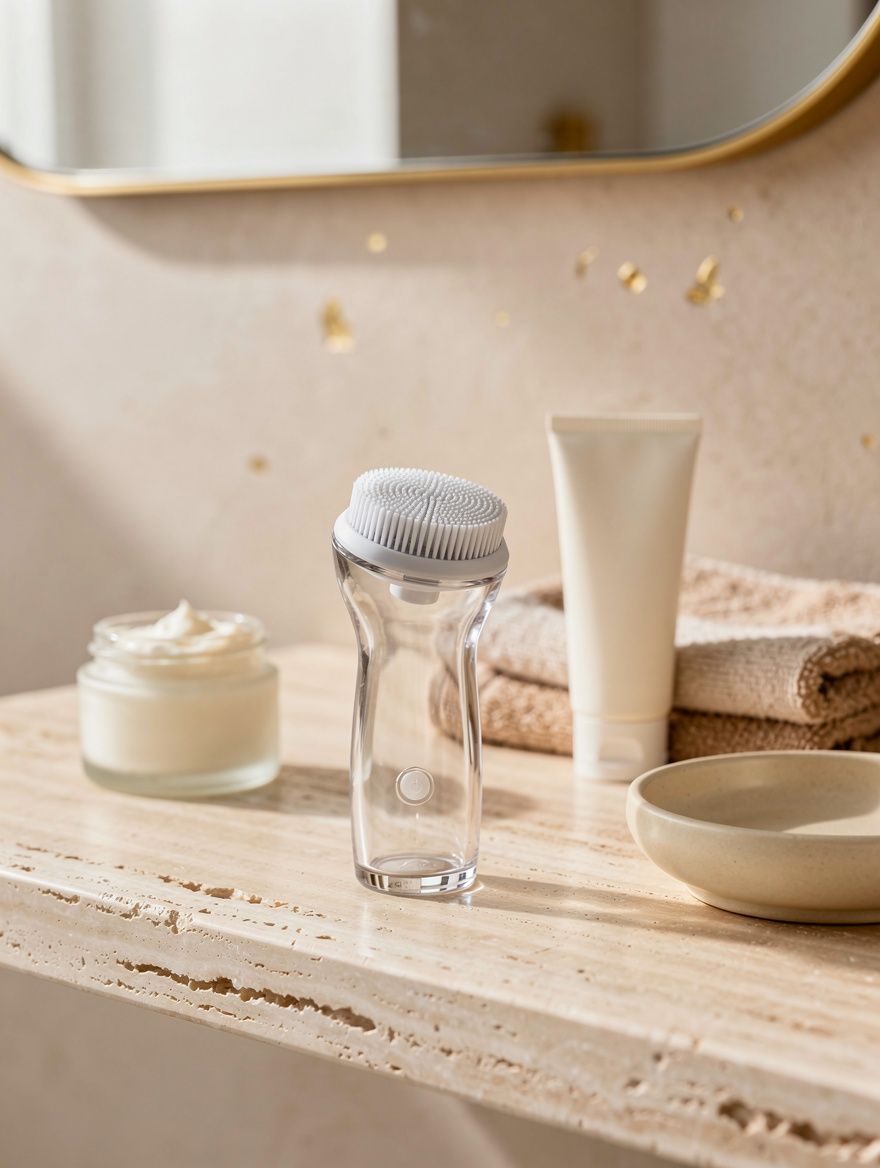
A brush can compound irritation when your evening routine includes a retinoid, exfoliating acid, benzoyl peroxide, or a potent vitamin C formula. On nights with a typical 0.3% retinol, cleanse gently by hand and let the treatment be the only potentially challenging step.
Stinging is useful feedback, not a cue to push through. If your face burns when moisturizer goes on, scale back the friction and actives, support the barrier, and ask a dermatologist for personalized guidance if irritation persists.

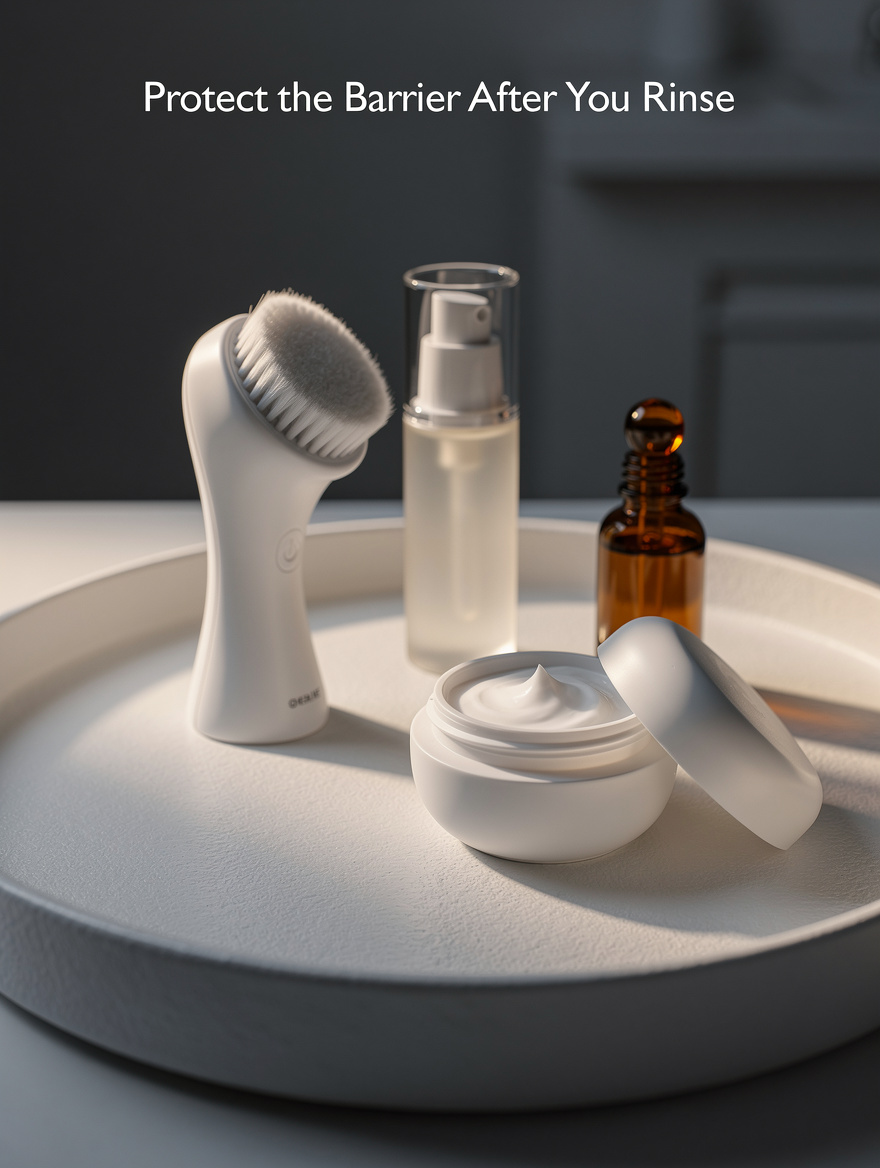
Protect the Barrier After You Rinse
Cleansing is only half the decision, because water loss can become more noticeable after 50. Apply a straightforward moisturizer while skin is slightly damp, such as CeraVe PM Facial Moisturizing Lotion, often around $16, to support hydration without adding another abrasive step.
We’d put a reliable moisturizer and daily broad-spectrum sunscreen ahead of any cleansing gadget in a skin-care budget. They address the practical priorities of dry, reactive mature skin far more directly than a tool marketed as a daily reset.
Pause Completely When Skin Is Reactive
Skip cleansing brushes altogether with rosacea, eczema, persistent peeling, unexplained stinging, or recently treated skin unless the dermatologist who has examined you advises otherwise. Rosacea guidance specifically favors cleansing and rinsing with fingertips, not rubbing, scrubbing, sponges, or massage.
Also pause after trying a new active if your skin becomes red or tender. A simple routine built around Neutrogena Ultra Gentle Daily Cleanser and moisturizer gives your face a quieter baseline, making it easier to tell what is actually causing trouble.

Start by retiring the daily brush for two weeks and cleanse with fingertips, a gentle wash, and lukewarm water. If your skin feels calmer, keep the device as an occasional option, and see a dermatologist about any spot that bleeds, changes shape, or does not heal.