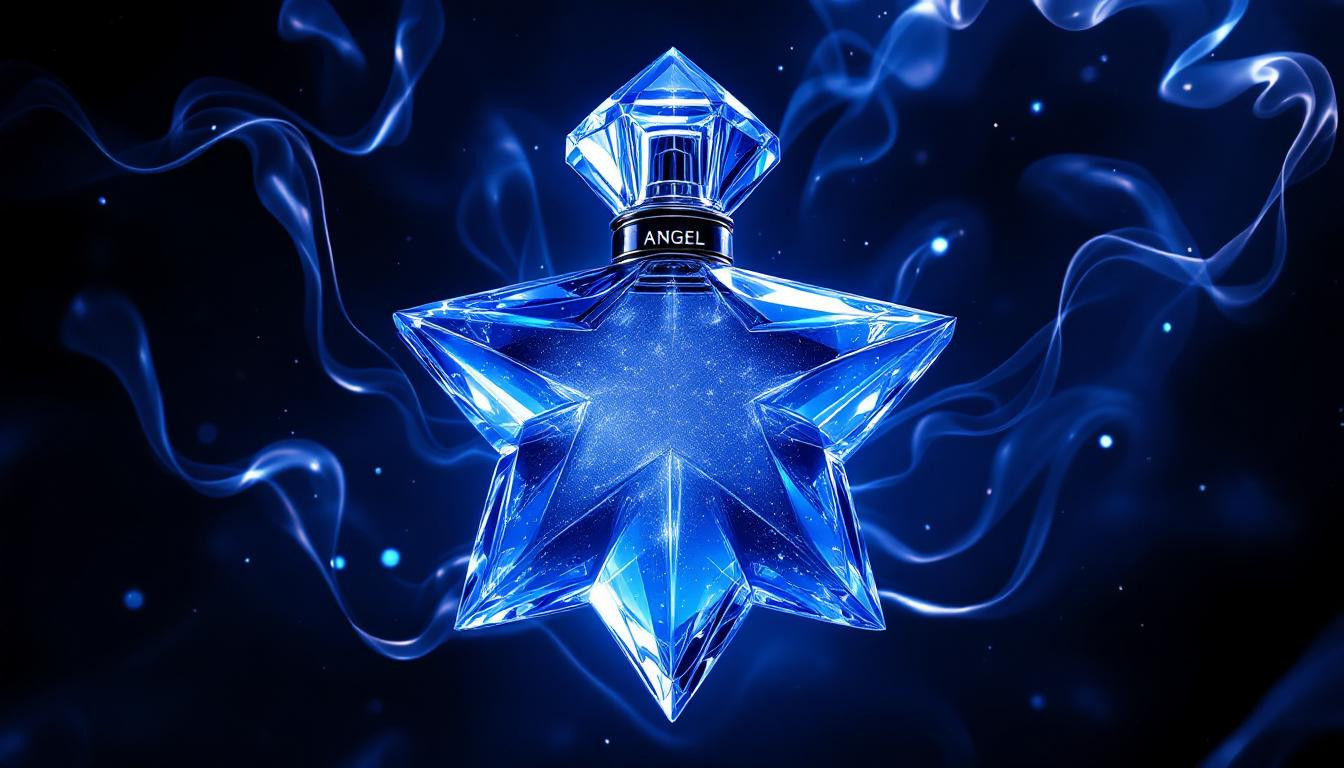
Mugler Angel: Love It or Hate It, Why Everyone Has an Opinion
Few fragrances have divided the perfume world quite like Mugler Angel. Since its revolutionary debut in 1992, this iconic scent has rarely elicited a neutral response—people either passionately adore it or vehemently avoid it. As we approach mid-2025, Angel remains as controversial and beloved as ever, continuing to spark heated debates among fragrance enthusiasts and casual wearers alike.
The groundbreaking formula that changed perfumery
When Thierry Mugler introduced Angel, it shattered conventions by pioneering the gourmand category of fragrances. Before Angel, perfumes simply didn’t smell like food. “Angel was truly revolutionary,” explains perfume historian Dr. Emma Richardson. “It combined edible notes like chocolate, caramel, and cotton candy with a striking patchouli base—something completely unheard of at the time.”
This bold combination created a scent profile that feels simultaneously comforting and challenging, much like how your brain remembers scents from decades ago with remarkable clarity while struggling to recall yesterday’s lunch.
Why the polarizing reactions?
Angel’s divisiveness stems from several factors:
- Extraordinary potency and projection that can fill a room
- Complex interplay between sweet gourmand notes and earthy patchouli
- Distinctive character that refuses to blend into the background
- Tendency to evolve differently depending on individual skin chemistry
“It’s like a symphony where every instrument is playing fortissimo,” notes fragrance expert Sophia Chen. “For some, it creates beautiful harmony; for others, it’s simply overwhelming.”
The love affair: Why devotees can’t get enough
Angel enthusiasts often describe their first encounter with the fragrance as an olfactory epiphany. Many report falling instantly in love with its unique character, similar to how vintage colognes attract unexpected compliments due to their distinctive profiles.
Angel’s loyal following appreciates its remarkable staying power and the way it creates a memorable personal signature. The scent has become so iconic that many wearers report strangers stopping them to ask about their perfume, mirroring experiences with other attention-grabbing scents that dramatically increase focus.
The opposition: Why critics recoil
Angel’s detractors find its powerful projection and sweet-yet-earthy profile simply too much to bear. Common complaints include:
- Headache-inducing intensity when over-applied
- Overwhelming sweetness that can feel cloying
- Persistence that makes it difficult to escape if disliked
- Polarizing patchouli base that some find jarring
Modern influence and flankers
Angel’s legacy extends beyond its original formula. The fragrance has inspired countless imitators and spin-offs, including Angel Stellar (2025), which offers a softer, creamier interpretation of the original’s DNA. This evolution mirrors how other iconic perfumes like Flowerbomb compare against newer premium releases.
The verdict: A true classic despite the division
Despite—or perhaps because of—its controversial nature, Angel has earned its place as a modern classic. Its distinctive star-shaped bottle has become as iconic as the scent itself, and it continues to be referenced by experts as one of the luxury scents truly worth investing in.
Angel remains a masterclass in fragrance boldness—like a siren song that either enchants or repels, never failing to evoke strong emotion. Whether you’re in the love camp or the hate camp, one thing is certain: Angel’s place in perfume history is eternally secured by its unapologetic originality and its power to provoke passionate discussion three decades after its creation.