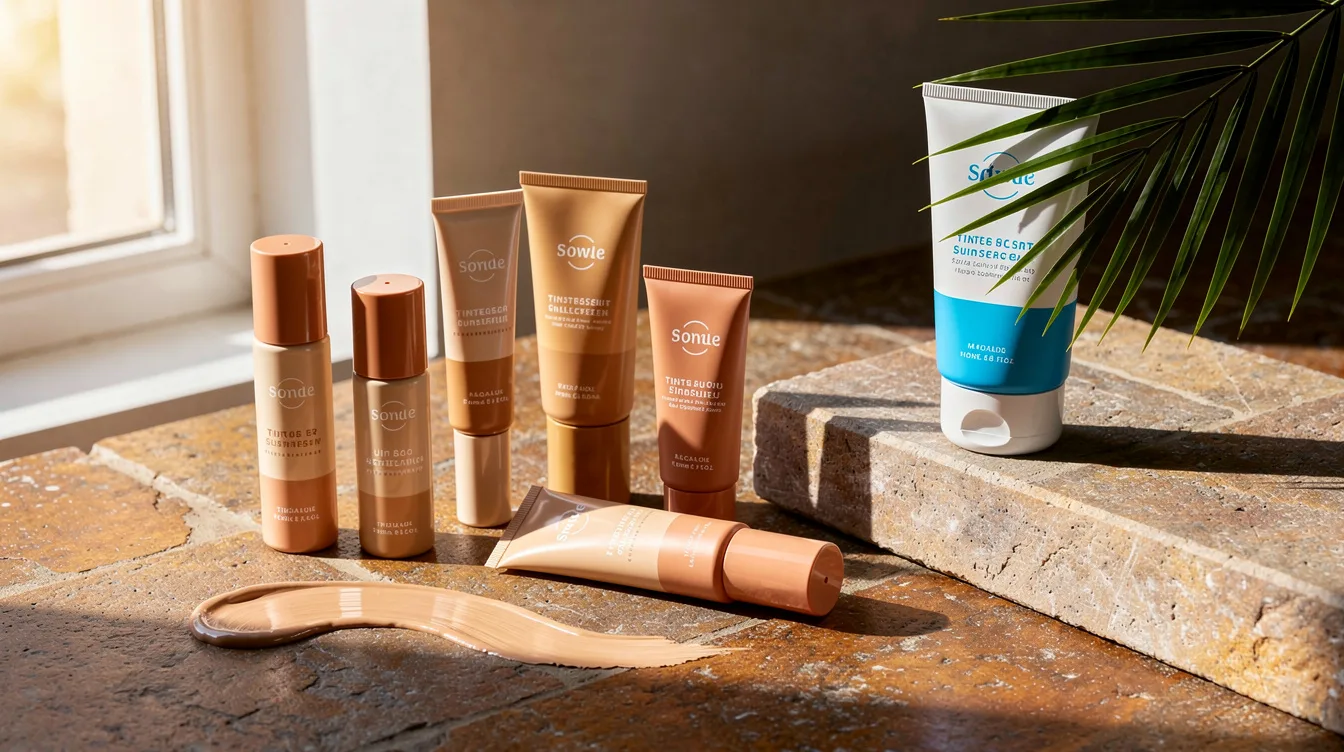
The bathroom mirror can be rude when a dark patch looks deeper after a week of sunny errands, even though a brightening serum has been used faithfully. For established pigmentation, daily photoprotection matters more than adding another bottle, and a solid face sunscreen often costs about $16 to $50.
Brown marks after 50 can be melasma, post-inflammatory hyperpigmentation, or discrete solar lentigines. Each has a different pattern, but all can be encouraged by ongoing light exposure and irritation.
What you will find inside
- Choose SPF 50 When Pigment Is Established
- Use Tint and Iron Oxides for Melasma
- Stop Treating Mineral as a Pigment Guarantee
- Treat One Pigment Concern at a Time
- Match Coverage to Your Actual Routine
- Get a Changing Spot Checked Before Fading It
Choose SPF 50 When Pigment Is Established
Use a broad-spectrum sunscreen with at least SPF 30 every morning, and we favor SPF 50 as the practical target when dark spots are already a concern. Higher labeled protection does not excuse a skimpy application, but it gives useful breathing room in real life.
La Roche-Posay Anthelios Mineral Tinted Ultra-Light Fluid SPF 50 is a lightweight option with a typical price around $40. Its fluid texture is a strong choice for anyone who abandons heavier creams halfway through the bottle.
Apply roughly two finger lengths for the face and neck about 15 minutes before sun exposure. Outdoors, reapply at least every two hours, and sooner after swimming or substantial sweating.
Use Tint and Iron Oxides for Melasma
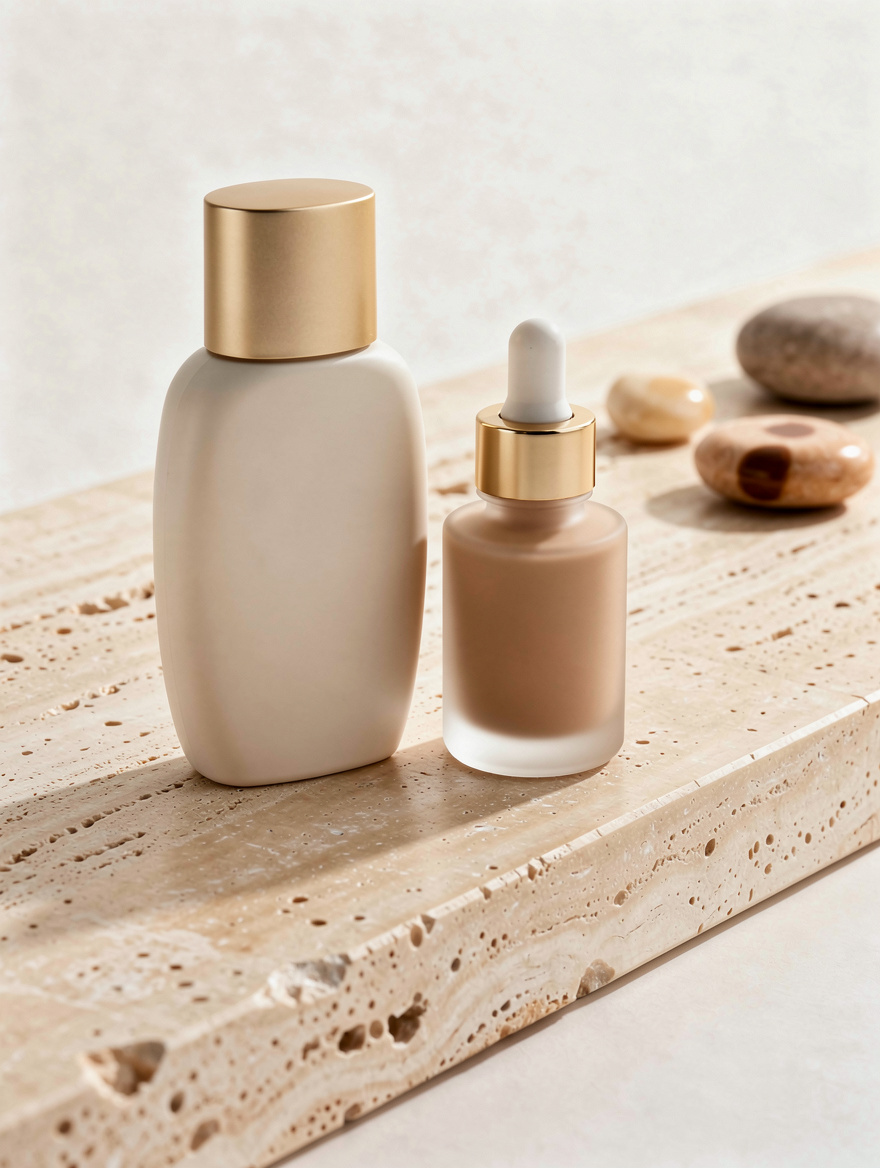
Clear sunscreen handles UV, while visible light can also worsen melasma and some dark marks. A tinted formula containing iron oxides adds visible-light coverage that a clear formula does not reliably provide.
EltaMD UV Clear Tinted SPF 46, typically about $47, combines zinc oxide, octinoxate, niacinamide, and iron oxides in a formula many sensitive or acne-prone users find easier to wear. We think its value is comfort: sunscreen only helps when it is applied generously and repeatedly.
Tint also makes daily protection feel more like light makeup, which can simplify a rushed morning. Shade match matters because an unflattering cast is a fast route to under-application.
Stop Treating Mineral as a Pigment Guarantee
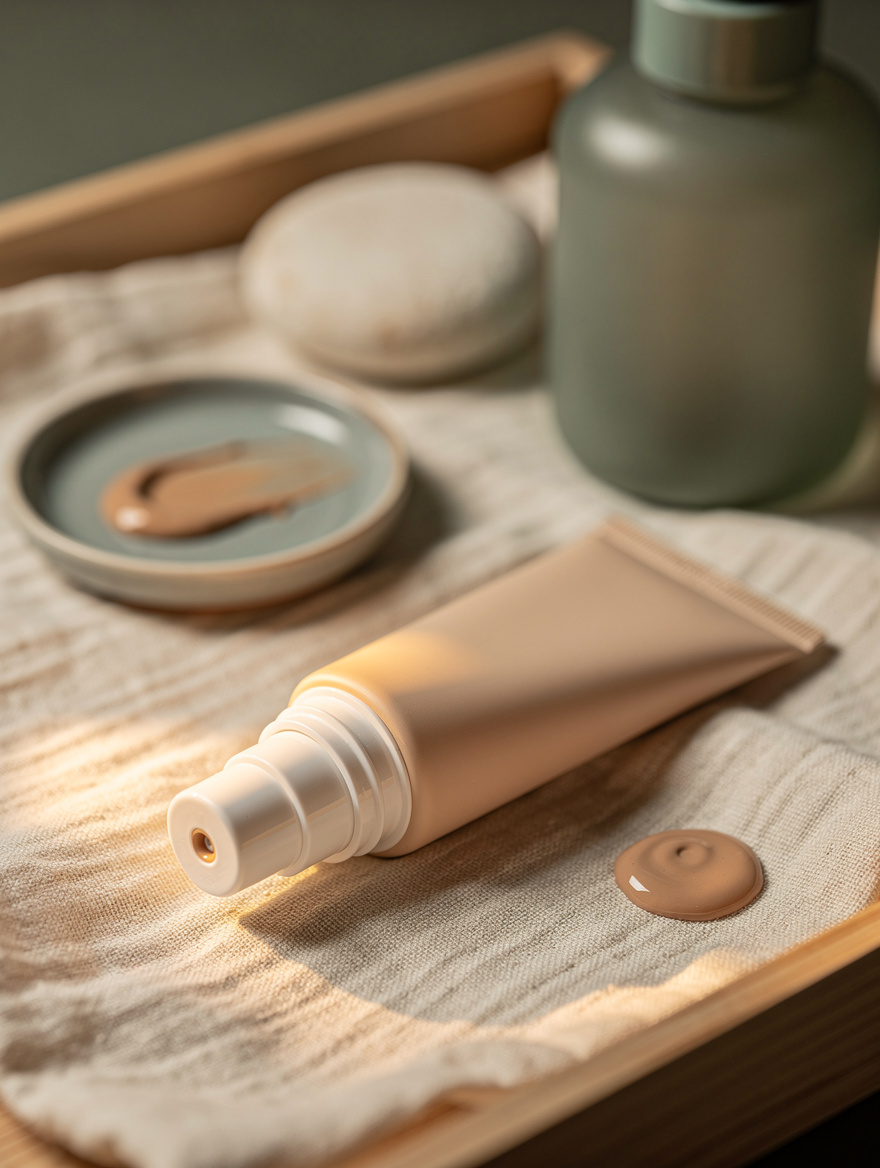
Mineral sunscreen is not automatically the best dark-spot choice. The useful checklist is broad-spectrum protection, adequate SPF, a wearable finish, and iron oxides when visible-light-triggered pigmentation is part of the picture.
CeraVe Hydrating Mineral Face Sheer Tint SPF 30 is a budget-friendly mineral choice, usually about $16, with zinc oxide 10% and titanium dioxide 5.5%. It is a sensible everyday entry point, although its limited tint range may not suit every skin tone.
For outdoor walks, gardening, sports, or humid days, choose a water-resistant formula and pair it with a brimmed hat and shade. Clothing and shade reduce the exposure sunscreen has to manage alone.
Treat One Pigment Concern at a Time
After sunscreen is consistent, add one tolerable pigment-focused ingredient and give it at least 8 to 12 weeks before judging it. Constantly rotating acids, retinoids, and spot treatments can irritate a thinner, drier barrier and leave more visible discoloration behind.
Azelaic acid is a reasonable ingredient to discuss with a dermatologist or introduce cautiously if your skin tolerates it. It is often favored in routines that need a gentler approach than piling on strong exfoliants.
Use the product as directed, then follow with moisturizer if needed. A simple routine is easier to keep steady than a crowded shelf of products making the same claim.
Match Coverage to Your Actual Routine
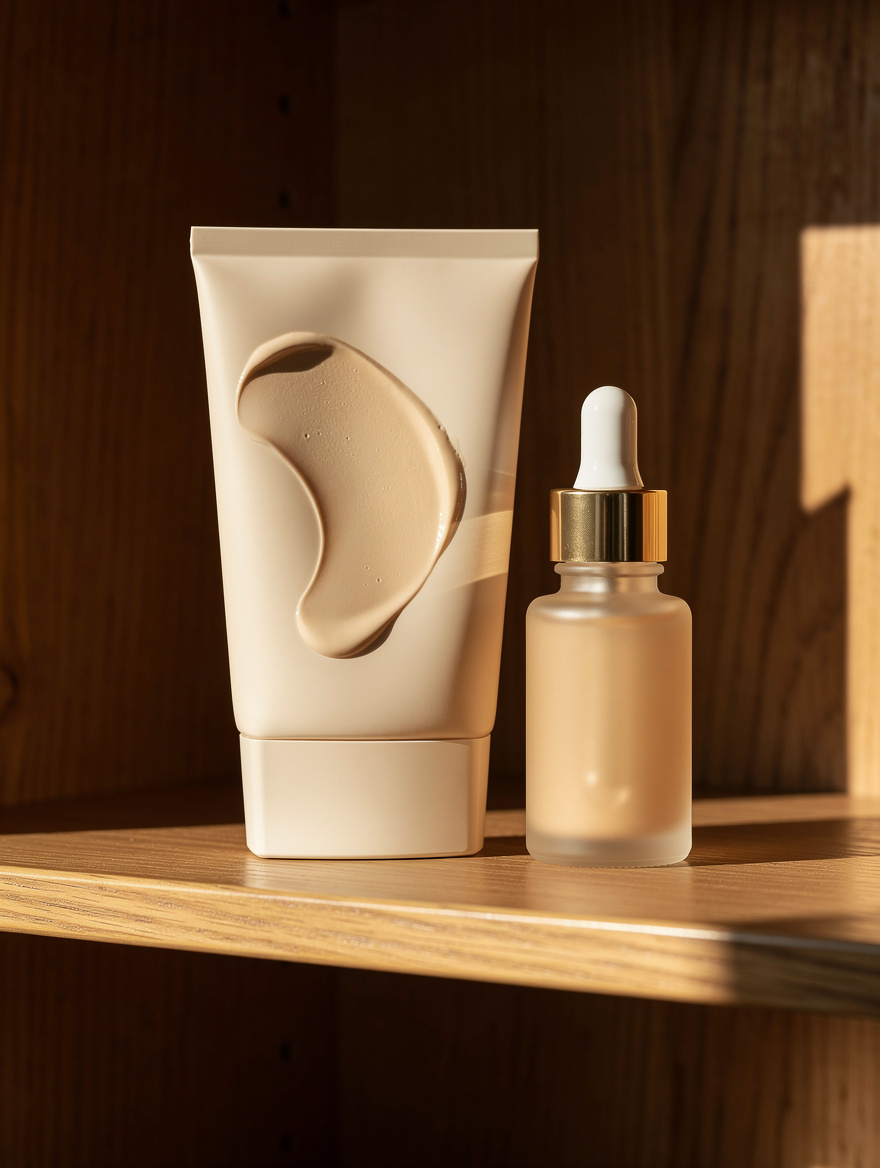
A beautiful sunscreen finish has practical value because it encourages adequate daily use. Colorescience Face Shield Flex SPF 50, generally $52 to $58, offers more cosmetic coverage and flexible shade options for women who want sunscreen to replace a light complexion product.
That price is hard to justify if you dislike a makeup-like finish, so do not buy it because the packaging implies superior discipline. We would reserve it for someone who genuinely wants coverage and will use it every morning.
Keep a second sunscreen in a bag or car only if heat will not damage it, and replace it when it expires. A product you can find and enjoy using is more useful than a prestigious one left unopened.
Get a Changing Spot Checked Before Fading It
Solar lentigines are usually discrete, sharply defined spots linked to cumulative sun exposure, while melasma often appears as larger symmetrical brown-gray patches. Products can support an even-looking tone, but persistent well-defined spots may respond faster to dermatologist procedures after the correct diagnosis.
A spot that is new, changing shape or color, multicolored, itchy, bleeding, or not healing deserves a dermatologist exam before any at-home fading plan. Some lesions that resemble ordinary age spots require medical attention.
Do not let a cosmetic routine delay prescribed treatment or an evaluation. Dark-spot care works best when the target has actually been identified.
Start tomorrow with a tinted broad-spectrum SPF 50 you will apply at the full amount, then protect that habit for roughly 12 weeks before deciding whether one pigment treatment belongs beside it. Consistency is the expense worth budgeting for first.