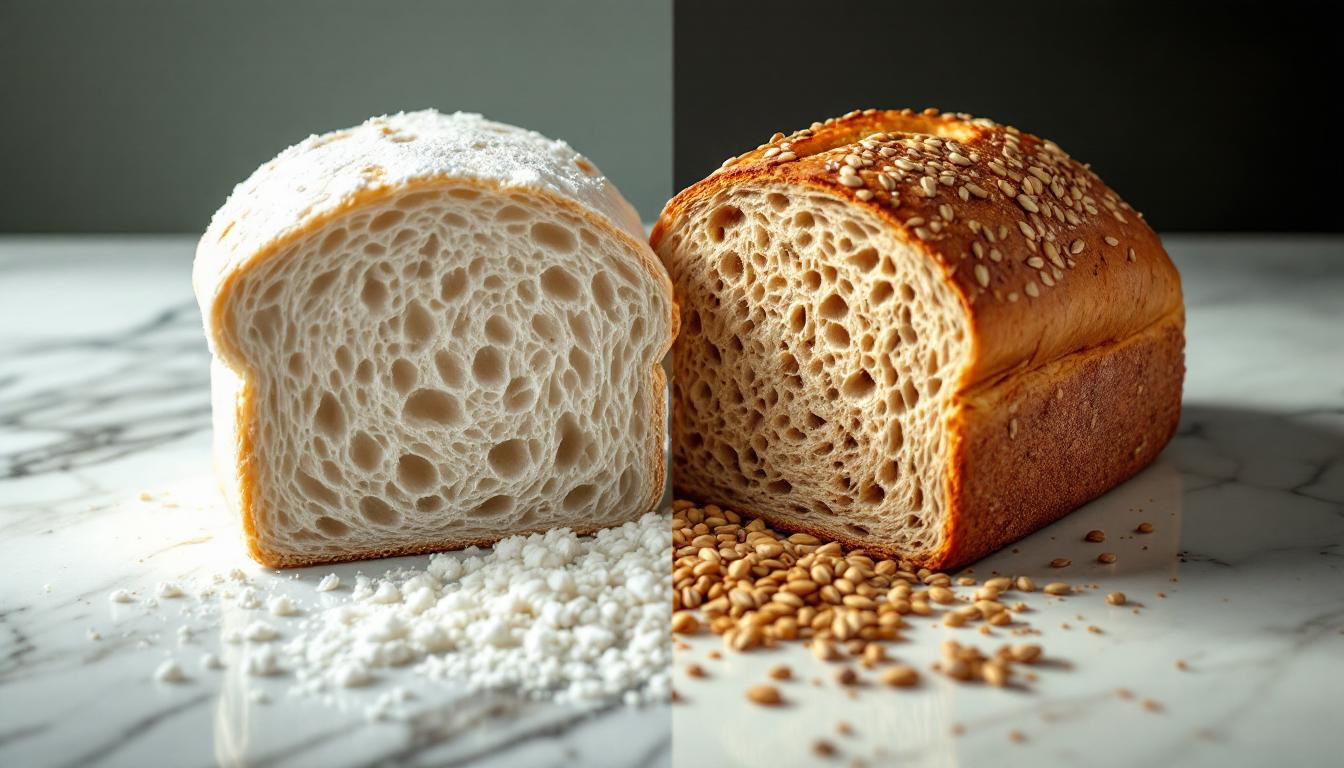
In a world where brain health takes center stage in longevity discussions, what we eat daily can significantly impact our cognitive future. Recent research has unveiled a troubling connection between a common pantry staple and brain decline – and it might be sitting in your bread box right now.
The hidden threat in your sandwich: White bread and cognitive decline
That innocent-looking white bread in your kitchen could be silently affecting your brain health. Studies have revealed that ultra-processed breads, particularly white bread and refined flour products, are linked to accelerated cognitive decline as we age.
“Our research indicates that individuals who regularly consume ultra-processed breads experience up to a 28% faster rate of cognitive decline compared to those limiting these foods,” explains Dr. Eleanor Hughes, neurologist at the Center for Brain Health Studies. “The evidence points to a clear connection between refined carbohydrates and diminished brain function over time.”
What the science reveals about bread and your brain
A groundbreaking study published in JAMA Neurology tracked over 10,000 adults aged 35-74 for eight years, finding that those consuming the highest amounts of ultra-processed foods – with white bread being a primary culprit – showed significantly faster rates of global cognitive decline.
This connection isn’t surprising when we consider the powerful gut-brain connection that influences our neurological health. Ultra-processed foods disrupt this delicate balance, potentially triggering inflammation that reaches the brain.
The whole grain difference: Protection for aging brains
Not all breads carry cognitive risks. In fact, whole grain breads appear to have the opposite effect. Research focusing on elderly populations demonstrated that higher whole grain consumption was associated with slower memory loss and preserved cognitive function.
“Whole grains are like brain insurance policies – they contain fiber, antioxidants, and nutrients that support neural health and protect against age-related decline,” notes Dr. Samantha Rivera, nutritional neuroscientist.
Warning signs your bread might be harming your brain
How can you identify potentially harmful breads? Look for these red flags:
- Enriched or bleached flour as the first ingredient
- Long ingredient lists with unrecognizable chemical names
- Ultra-soft texture that compresses easily into a gummy ball
- Extended shelf life without refrigeration
Brain-protective alternatives to consider
Fortunately, you don’t need to eliminate bread entirely. Consider these brain-friendly alternatives:
- 100% whole grain or sprouted grain breads
- Sourdough bread (especially traditional slow-fermented varieties)
- Bread with visible seeds, nuts, and whole grains
I witnessed this transformation firsthand when my 67-year-old father switched from white bread to whole grain varieties. Within months, he reported improved mental clarity and memory – a change his doctor confirmed during cognitive assessments.
The ripple effect: How bread choices impact overall health
The impact extends beyond cognitive function. Many people discover that gut health improves dramatically when switching from refined to whole grain breads, creating a virtuous cycle of better digestion and brain function.
Some individuals find that changing breakfast habits – particularly eliminating morning toast made from refined flours – results in improved mental focus throughout the day.
Making the switch: A practical approach
Transitioning to brain-healthier bread options doesn’t have to be jarring. Start by replacing one meal’s bread choice with a whole grain alternative, allowing your palate to adjust gradually. Many find that once they’ve made the switch, the richer flavors and textures of whole grain breads become preferred.
Think of your brain as a garden – ultra-processed breads are like pouring weed killer on your cognitive landscape, while whole grains deliver the nutrients that help neural connections flourish and grow.
Is your daily bread worth the risk?
As we navigate aging, the small choices we make daily compound over time. By making intentional dietary changes like upgrading your bread choices, you’re investing in cognitive resilience. Your future self – with memories intact and mind sharp – will thank you for the simple switch from white to whole.