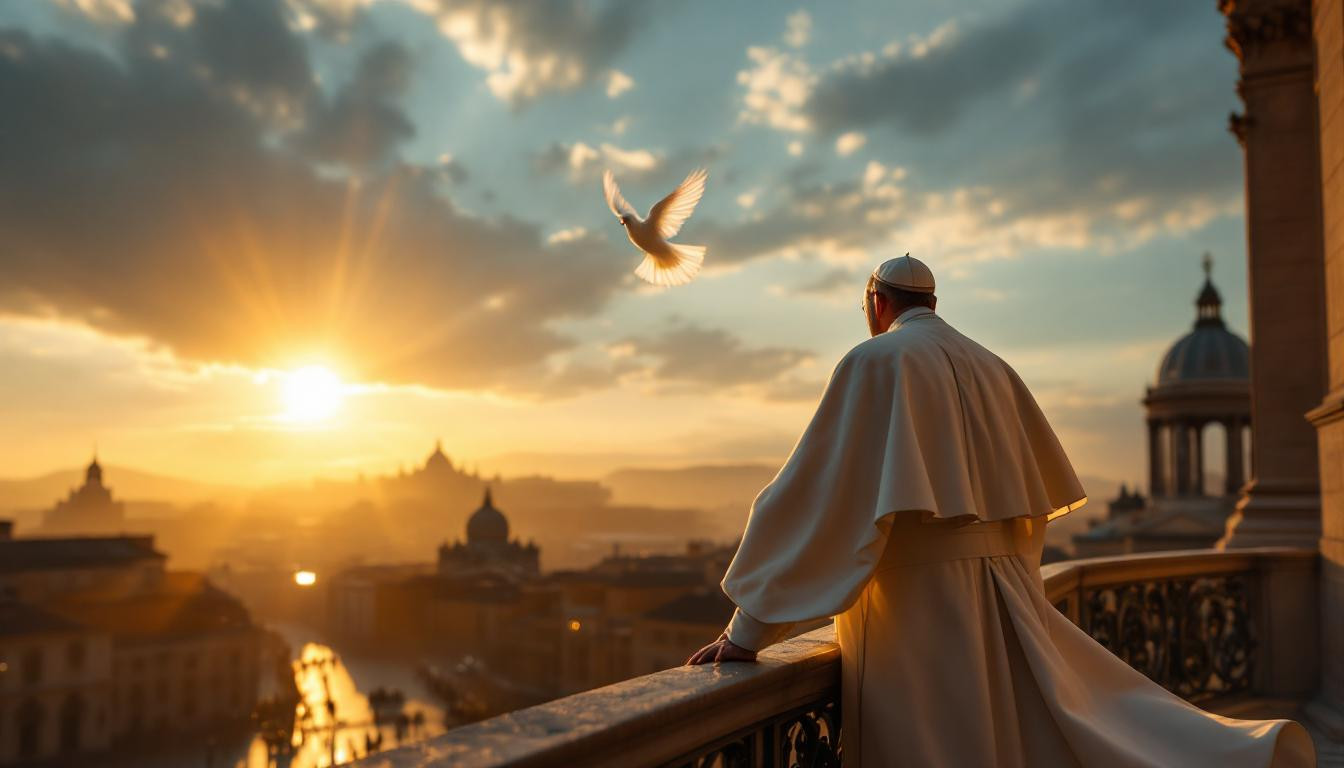
In a profound moment that has sent shockwaves through the global community, Pope Francis, the leader of the Catholic Church and one of the most influential spiritual figures in the world, has passed away at the age of 88. The Vatican confirmed that the pontiff died on the morning of April 21, 2025, at 7:35 am in his residence at Saint Martha’s House.
A legacy of compassion and reform
Born Jorge Mario Bergoglio in Buenos Aires, Argentina, Francis made history as the first pope from the Americas and the first Jesuit to lead the Catholic Church. Throughout his 12-year pontificate, he championed the causes of the poor, advocated for environmental protection, and worked tirelessly to reform the Church’s administration.
“His entire life was dedicated to serving the Lord and His Church,” stated Cardinal Kevin Farrell in the official announcement. “He taught us to live Gospel values with fidelity, courage, and universal love, especially toward the poorest and most marginalized.”
Final days marked by devotion
Despite declining health in recent months, Pope Francis maintained an active schedule through Easter Holy Week. His final public appearance came during the traditional Urbi et Orbi blessing on Easter Sunday, just hours before his passing. According to Vatican sources, the Pope suffered a cerebrovascular accident, commonly known as a stroke.
“Francis remained devoted to his mission until his final moments,” notes Dr. Elena Vasquez, professor of religious studies at Georgetown University. “His unwavering commitment to serving others while facing physical challenges inspired millions worldwide.”
A pope who transformed the Church
Francis’s papacy was marked by significant developments that reshaped the Catholic Church’s approach to contemporary issues. He wrote groundbreaking encyclicals on climate change (Laudato Si’) and universal brotherhood (Fratelli Tutti), while advocating for more inclusive pastoral care.
His humble style resonated with many believers and non-believers alike. Unlike some of his predecessors, Francis opted for simpler vestments and chose to live in the Vatican guesthouse rather than the traditional papal apartments. “He always reminded us that true value isn’t found in extravagance but in authenticity and service,” observes Vatican correspondent Marco Politi.
Global outpouring of grief
News of the Pope’s death has prompted worldwide tributes from religious and political leaders. Millions of Catholics are expected to travel to Rome for the funeral, scheduled for April 26th at St. Peter’s Square. The ceremony will be presided over by Cardinal Giovanni Battista Re.
In the coming days, 115 cardinal electors will gather for a conclave to select Francis’s successor, a process that typically takes several days and is shrouded in centuries-old tradition. This marks the beginning of a significant transition period for the Church’s 1.3 billion followers worldwide.
A spiritual leader for our times
- First pope to take the name Francis, honoring St. Francis of Assisi
- Advocated consistently for migrants, refugees, and the environment
- Promoted interfaith dialogue and ecumenical relationships
- Reformed Vatican finances and addressed clerical abuse
The Pope will be laid to rest in the Basilica of Saint Mary Major, near the Pauline Chapel, rather than in St. Peter’s Basilica where most popes are interred—another testament to his preference for simplicity over tradition.
How will Pope Francis be remembered?
Francis’s papacy, like a gentle breeze reshaping the landscape, transformed the Catholic Church in subtle yet profound ways. His focus on mercy, inclusion, and social justice leaves an indelible mark on both religious and secular communities. As the faithful reflect on his enduring message, many will remember him as a pope who bridged ancient traditions with modern challenges, always prioritizing compassion over judgment.