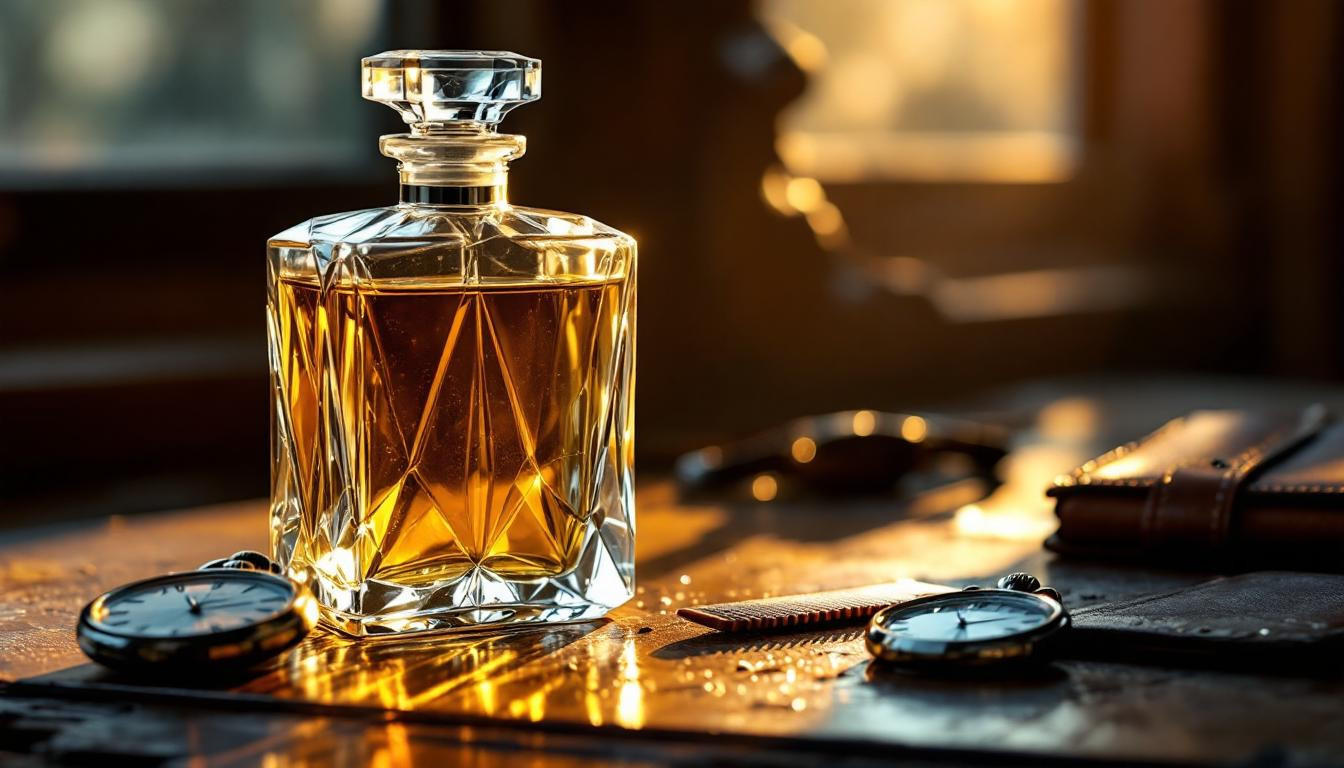
In a world of endless fragrance options, there exists a unique tribe of men who remember when cologne was a rare luxury, not an everyday essential. These scent connoisseurs are drawn to fragrances that evoke an era when a man’s signature scent was part of his identity—sometimes for decades. Let’s journey through the fascinating world of fragrances for men who appreciate the historical significance of fine perfumery.
When one bottle lasted a lifetime
Before the explosion of designer fragrances in the 1980s and 90s, men typically owned just one or two bottles of cologne that might last for years. “The scarcity of options created a deeper connection between a man and his chosen scent,” explains Dr. Richard Stephens, olfactory historian at Columbia University. “It wasn’t unusual for a fragrance to become so intertwined with a man’s identity that family members could recall it decades later.”
This emotional connection to fragrance explains why some perfumes tell our life stories better than newer, more expensive options. The longevity of these classic scents—both in bottle life and skin performance—was remarkable.
The barbershop classics that defined generations
Nothing evokes masculine fragrance heritage quite like classic fougère accords—the aromatic, lavender-infused compositions that dominated men’s grooming for decades. These scents were often experienced exclusively in barbershops, creating powerful memory associations.
James Thorpe, 72, recalls: “My father wore Old Spice every day of his adult life. When I smell it now, I’m instantly transported to Sunday mornings watching him shave. It wasn’t just a scent—it was a ritual.”
The power players of the rare fragrance era
- Eau Sauvage (Dior, 1966) – The citrus-aromatic masterpiece that redefined men’s perfumery
- Aramis (Estée Lauder, 1965) – The leathery, spicy icon that declared masculine confidence
- Paco Rabanne Pour Homme (1973) – The aromatic fougère that became a status symbol
- Azzaro Pour Homme (1978) – The anisic lavender blend that defined Mediterranean masculinity
Why these vintage scents are making a comeback
Modern men are rediscovering these classics, just as vintage perfumes from the ’60s are experiencing a renaissance. There’s something compelling about fragrances with decades of history—like wearing a piece of olfactory art.
Master perfumer Antoine Maisondieu notes: “These classics were composed with fewer restrictions and more natural ingredients. They have a boldness and character that’s increasingly rare in modern perfumery.”
The transformation of a signature scent
Understanding how fragrance interacts with your body chemistry becomes more important as you age. This explains why your signature scent changes after 50. The classics often develop more beautifully on mature skin, revealing complex facets that younger wearers might miss.
Maximizing longevity like they did in the old days
Before reformulations and modern chemistry, men relied on application techniques to make fragrances last. Some traditional fragrance hacks can make even modestly priced scents outlast luxury offerings.
- Apply to moisturized skin immediately after showering
- Layer with matching soap and aftershave
- Store bottles properly—away from light and heat
Beyond designer labels: unexpected treasures
Not all memorable fragrances come with prestigious names. Some unexpected scents can outperform designer fragrances that cost significantly more. Vintage collectors often describe finding a forgotten gem as “uncovering a time capsule of masculinity.”
Like a well-aged whiskey compared to a fresh distillation, these heritage fragrances offer depth that only time can create. They stand as olfactory monuments to an era when choosing a fragrance was a significant life decision, not a seasonal whim.
What scent will tell your story decades from now? Perhaps it’s already waiting on your grandfather’s dresser, in a bottle rarely opened but forever remembered.