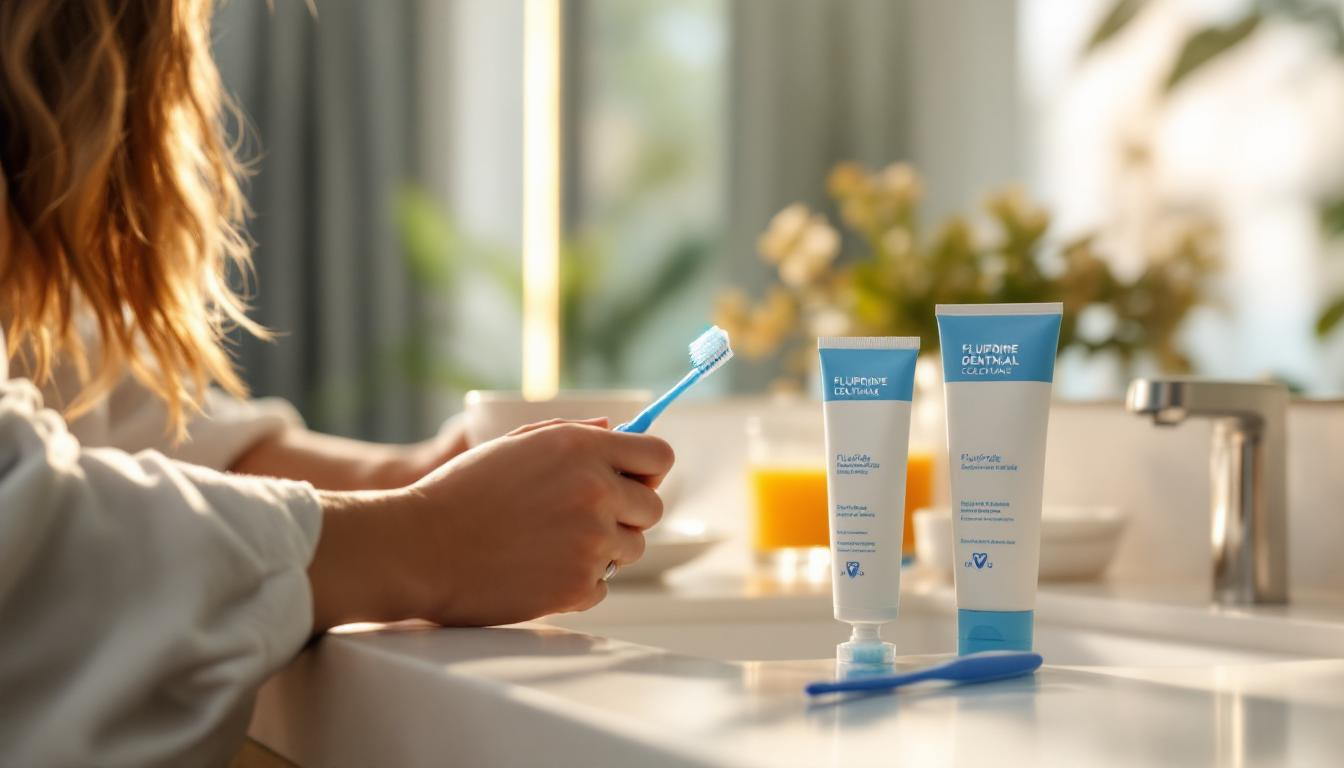
I never thought changing something as simple as when I brush my teeth would make such a difference. For years, I diligently followed what I thought was the golden rule of dental hygiene: brush right after eating breakfast. Then I learned this common practice might actually be harming my teeth – and everything changed.
The shocking truth about post-breakfast brushing
When I mentioned my routine change to my dentist, Dr. Rebecca Lawson, she wasn’t surprised. “Brushing immediately after breakfast can actually damage your tooth enamel, especially if you’ve consumed acidic foods like orange juice or coffee,” she explained. “Acids temporarily soften your enamel, and brushing right away can essentially scrub away that weakened surface.”
This revelation completely transformed how I approached my morning routine. Instead of rushing to brush right after my toast and coffee, I started brushing before breakfast instead.
The science behind better morning dental care
The decision to stop post-breakfast brushing wasn’t just about avoiding damage. According to dental research, brushing before eating actually provides significant benefits. When you brush first thing in the morning, you:
- Remove plaque and bacteria that accumulated overnight
- Stimulate saliva production that helps neutralize acids
- Create a protective fluoride coating that shields teeth from breakfast acids
What happened to my teeth?
Within weeks of changing my routine, I noticed meaningful differences. My teeth felt cleaner throughout the day, and that persistent sensitivity I’d experienced for years began to fade. “When you stop brushing on acids, you’re giving your enamel a chance to remineralize naturally,” explains Dr. Lawson.
This experience reminded me of how even seemingly healthy habits like drinking lemon water can damage enamel if we’re not careful about timing.
The unexpected benefits beyond dental health
Like many health adjustments, this change created a domino effect of positive outcomes. My morning routine became more efficient – brush first, then enjoy breakfast without rushing to the bathroom again. This gave me extra time for mindfulness practices before work.
There’s something incredibly freeing about breaking away from habits we’ve followed mindlessly for years. Just as our diet affects our mood and brain health, our dental routines impact more than just our teeth.
What dental professionals actually recommend
“The ideal approach is brushing before breakfast, then waiting 30-60 minutes after eating if you want to brush again. This gives your saliva time to neutralize acids and remineralize enamel,” says Dr. Michael Chen, periodontist at Pacific Dental Institute.
For those concerned about food particles after eating, Dr. Chen suggests these alternatives to immediate brushing:
- Rinse thoroughly with water
- Chew sugar-free gum to stimulate saliva
- Floss to remove food particles
- Wait at least 30 minutes before brushing if necessary
The connection between brushing habits and overall health
Our oral health serves as a window to our overall wellbeing. Research has shown connections between brushing techniques and heart health, particularly in seniors. Similarly, what we drink affects both our dental and kidney health.
Just as simple changes like drinking lemon water can impact cholesterol, adjusting when you brush can significantly improve your dental health. Our bodies are intricate systems where seemingly small adjustments can yield remarkable results.
Is it time to rethink your brushing routine?
Consider your morning routine like a delicate orchestra rather than a rigid checklist. Each element needs to be properly timed and sequenced for optimal health. Your dental care isn’t just about cleaning – it’s about protecting the living tissue of your teeth, which responds to timing in ways most of us never realized.
Have you been brushing at the wrong time all these years? Your enamel may be silently thanking you for finally giving it the protection it deserves.